Best Gardening Gloves for Arthritis
Gardening is good for the soul — but it shouldn’t leave your hands aching for the rest of the day.
If you have arthritis, stiff or painful finger joints, reduced grip strength, or hands that become tired easily, choosing the right gardening gloves can make a surprisingly big difference.
The best gardening gloves for arthritis aren’t necessarily the thickest or most heavily padded. What matters is finding gloves that fit comfortably, provide a secure grip, protect your hands, and don’t make your fingers work harder than they need to.
Here are the features I look for when choosing gardening gloves for arthritic hands, along with some of the best types to consider.
What Makes a Good Gardening Glove for Arthritis?
Before buying a pair of gardening gloves, look for these features.
1. A comfortable, flexible fit
Stiff gloves can make gardening much harder when your fingers and knuckles are already painful.
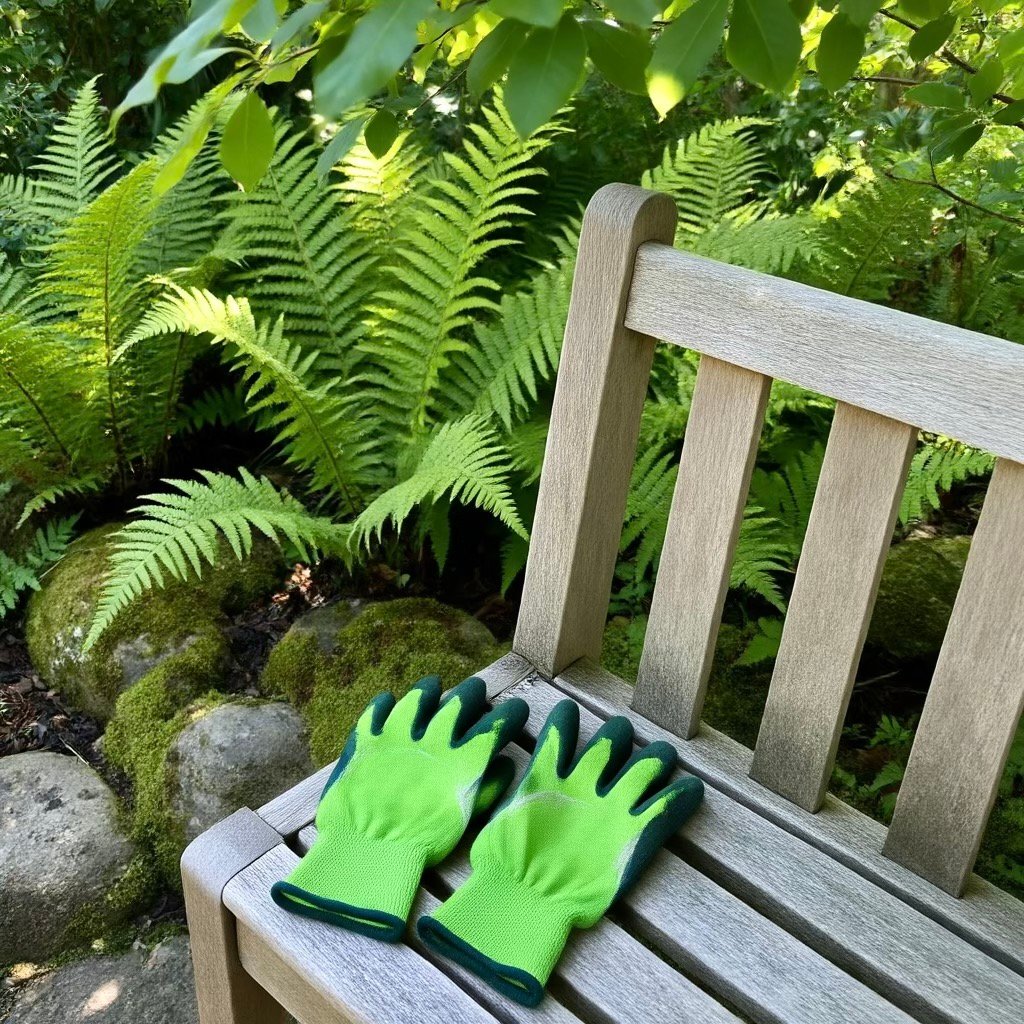
Look for gloves made from flexible materials that allow your fingers to bend naturally. Stretch fabric across the back of the hand can be particularly comfortable because it allows movement without feeling restrictive.
Your gloves should feel snug but not tight.
If your fingers feel squeezed together or you have to fight against the glove every time you bend your hand, they’re probably not the right choice.
2. A good grip
A secure grip is especially important if arthritis has reduced your hand strength.
A glove with a textured or coated palm can help you hold:
● Hand trowels
● Secateurs
● Plant pots
● Hose fittings
● Garden tools
● Seed packets
● Weeds
The idea is simple: the glove should help you grip the tool rather than requiring you to grip harder.
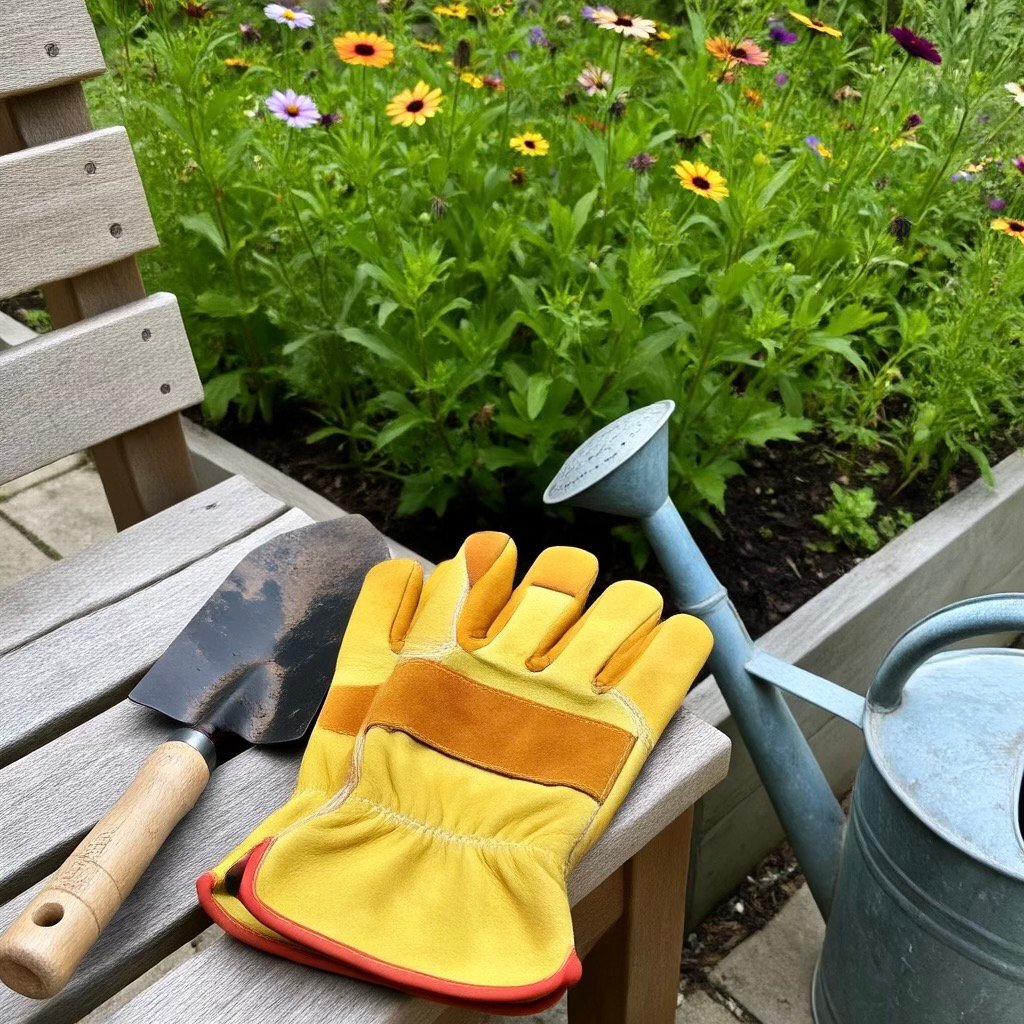
This can be particularly useful when using tools with small handles.
3. Light’weight materials
Heavy gloves can become surprisingly tiring during longer gardening sessions.
For everyday gardening, I generally prefer lightweight gloves that protect the hands without making them feel bulky.
Save thicker, reinforced gloves for jobs where you actually need additional protection.
4. Easy to put on and take off
This is an easily overlooked feature.
If your fingers are stiff, swollen or painful, pulling tightly fitting gloves over your hands can be frustrating.
Look for gloves with:
● Stretchy cuffs
● Wide openings
● Easy pull-on designs
● Adjustable wrist closures that don’t require fiddly fastening
A glove that you can’t comfortably get on and off isn’t going to be much use, no matter how good it is once it’s on.
5. Padding in the right places
Some gloves have additional padding across the palm or fingers.
This can be useful if you’re using tools for longer periods because it can reduce pressure on sensitive areas of the hand.
However, more padding isn’t always better.
Very thick gloves can make it harder to feel what you’re doing and may actually make delicate gardening tasks more difficult.
For arthritis, I’d rather have strategically placed cushioning combined with flexibility than a glove that feels like a boxing glove.
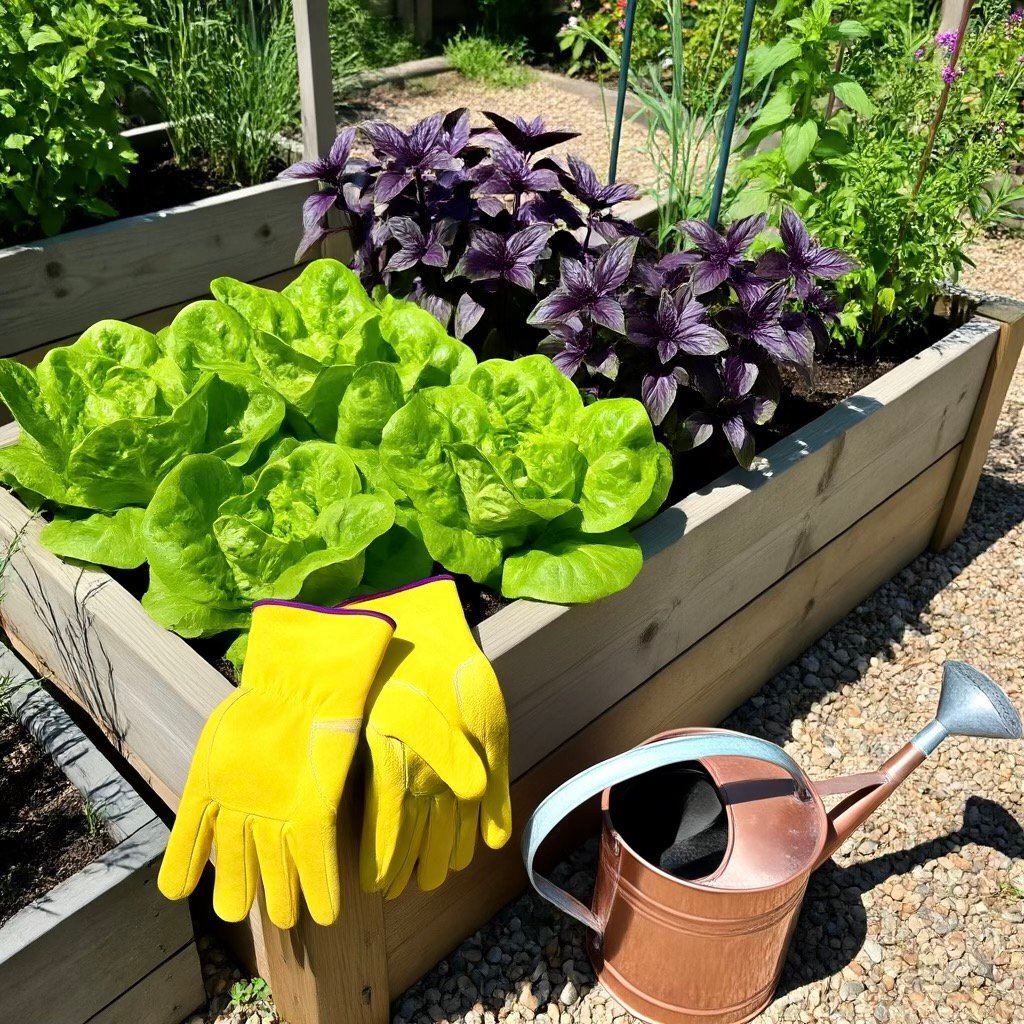
The Best Gardening Gloves for Arthritis
There isn’t one perfect gardening glove for everyone. Your ideal pair will depend on what type of gardening you do and which movements cause you the most discomfort.
1. Flexible Grip Gardening Gloves
Best for: Everyday gardening
These are probably the best all-round option for most gardeners.
Look for lightweight gloves with a flexible fabric back and a textured, rubberised or nitrile-coated palm.
They’re useful for everyday jobs such as:
● Planting
● Weeding
● Deadheading
● Handling pots
● Using hand tools
● General garden maintenance
The textured palm is particularly helpful because it can reduce the need to squeeze a tool tightly.
Look for: flexible fabric, good palm grip and a comfortable wrist opening.
2. Nitrile-Coated Gardening Gloves
Best for: Grip and dexterity
Nitrile-coated gloves are a popular choice for gardeners because they provide good grip while remaining relatively lightweight.
They’re particularly useful if you find that your hands tire from repeatedly gripping tools.
A good pair should allow you to bend your fingers easily while providing enough grip that tools don’t slip.
They’re also useful for jobs where you want some protection from damp soil.
Look for: a thin, flexible nitrile coating rather than a thick, rigid coating.
3. Padded Gardening Gloves
Best for: Sensitive or painful palms
If gripping garden tools causes pressure or discomfort in your palms, padded gloves may be worth considering.
Some gardening gloves have extra cushioning across the palm or at pressure points.
These can be useful for jobs involving repetitive gripping, such as pruning or digging.
However, check that the padding doesn’t make the glove too bulky.
You still need enough flexibility to operate your tools comfortably.
4. Waterproof Gardening Gloves
Best for: Wet weather and damp soil
Cold, wet hands can be particularly unpleasant when you already have stiff or painful joints.
Water-resistant or waterproof gloves can help keep your hands warmer and drier when you’re working with wet soil or gardening after rain.
However, completely waterproof gloves can sometimes feel less breathable.
For everyday gardening, a water-resistant glove may be more comfortable than a heavily waterproofed one.
5. Longer-Cuff Gardening Gloves
Best for: Pruning and working around prickly plants
If you enjoy roses, brambles or other thorny plants, consider gloves with longer cuffs.
These provide additional protection around the wrists and lower arms.
This is especially useful when you’re pruning because you can concentrate on handling the secateurs instead of worrying about scratches and thorns.
Look for a design that remains flexible around the wrist.
My Favourite Features to Look For
If I were choosing gardening gloves specifically for arthritis, I’d prioritise these features:
|Feature |Why it matters |
|——————–|——————————|
|Flexible fabric |Allows natural finger movement|
|Textured palm |Helps reduce gripping effort |
|Lightweight design |Less hand fatigue |
|Stretch cuff |Easier to put on |
|Moderate padding |Reduces pressure without bulk |
|Breathable fabric |Keeps hands comfortable |
|Good finger mobility|Makes delicate tasks easier |
|Water resistance |Keeps hands dry |
|Longer cuff |Extra protection for pruning |
Don’t Forget About Glove Size
Getting the size right is incredibly important.
A glove that’s too small can put pressure on painful joints and restrict movement.
A glove that’s too large can make it harder to control tools and may actually require you to grip more tightly.
When measuring your hands, check the manufacturer’s sizing guide rather than automatically choosing your usual glove size.
And if you’re between sizes, think about how you’ll use the gloves.
For detailed planting and potting, you may prefer a closer fit.
For heavier gardening jobs, a little more room may be more comfortable.
What About Compression Gardening Gloves?
You may also come across compression gloves for arthritis.
These are different from conventional gardening gloves.
Compression gloves are designed to provide gentle compression and warmth and are generally intended to be worn while performing everyday activities rather than providing protection from soil, thorns or garden tools.
Some gardeners like wearing a thin compression glove underneath a gardening glove.
However, this isn’t something everyone will find comfortable.
If you have significant hand pain, swelling, numbness or circulation problems, it’s worth asking a healthcare professional whether compression gloves are appropriate for you.
Don’t Let Your Gloves Do All the Work
Here’s an important point that is easy to overlook:
The best gardening gloves for arthritis in the world can’t compensate for a badly designed garden tool.
If arthritis makes gripping difficult, consider combining comfortable gloves with ergonomic tools designed to reduce hand strain.
Look for:
● Larger, ergonomic handles
● Soft-grip tools
● Ratchet secateurs
● Lightweight hand tools
● Long-handled tools
● Tools with spring-assisted mechanisms
● Raised beds that reduce bending and reaching
Sometimes changing the tool can make a bigger difference than changing the glove.
A Simple Trick for Easier Gardening
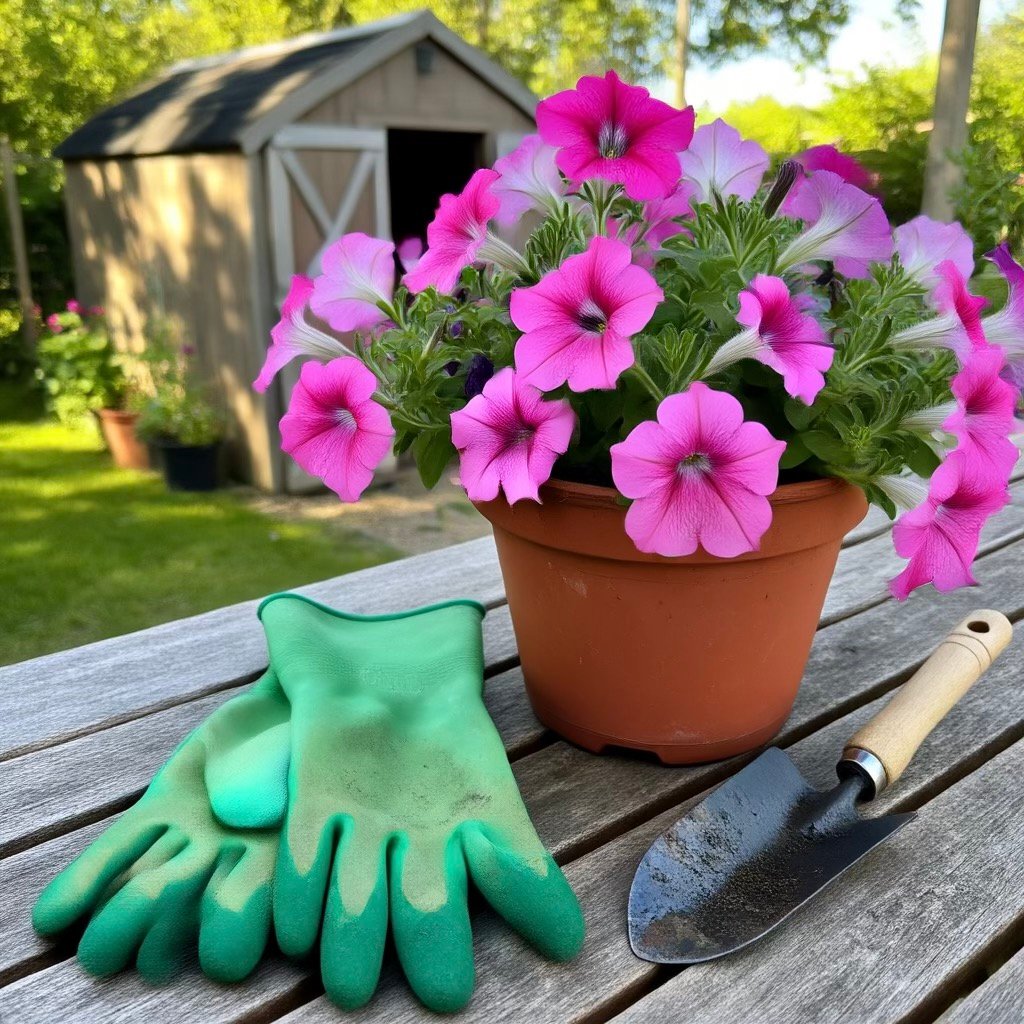
If your hands tend to become painful after gardening, don’t wait until they hurt before taking a break.
Try working in shorter bursts instead.
For example:
Garden for 15–20 minutes → take a short break → change tasks → continue.
You can also alternate between activities that use your hands and activities that don’t.
Instead of spending an hour continuously weeding, try:
10 minutes weeding → water plants → 10 minutes planting → tidy leaves → take a break.
Your garden doesn’t care how quickly you finish.
And neither should you.
My Gardening Glove Checklist
Before buying a new pair, ask yourself:
☐ Can I bend my fingers easily?
☐ Can I grip a tool without squeezing hard?
☐ Are the fingers flexible?
☐ Is the palm grippy without being bulky?
☐ Can I get the gloves on and off easily?
☐ Are they comfortable around my knuckles?
☐ Will they keep my hands reasonably dry?
☐ Do I need extra protection around my wrists?
☐ Are they suitable for the type of gardening I actually do?
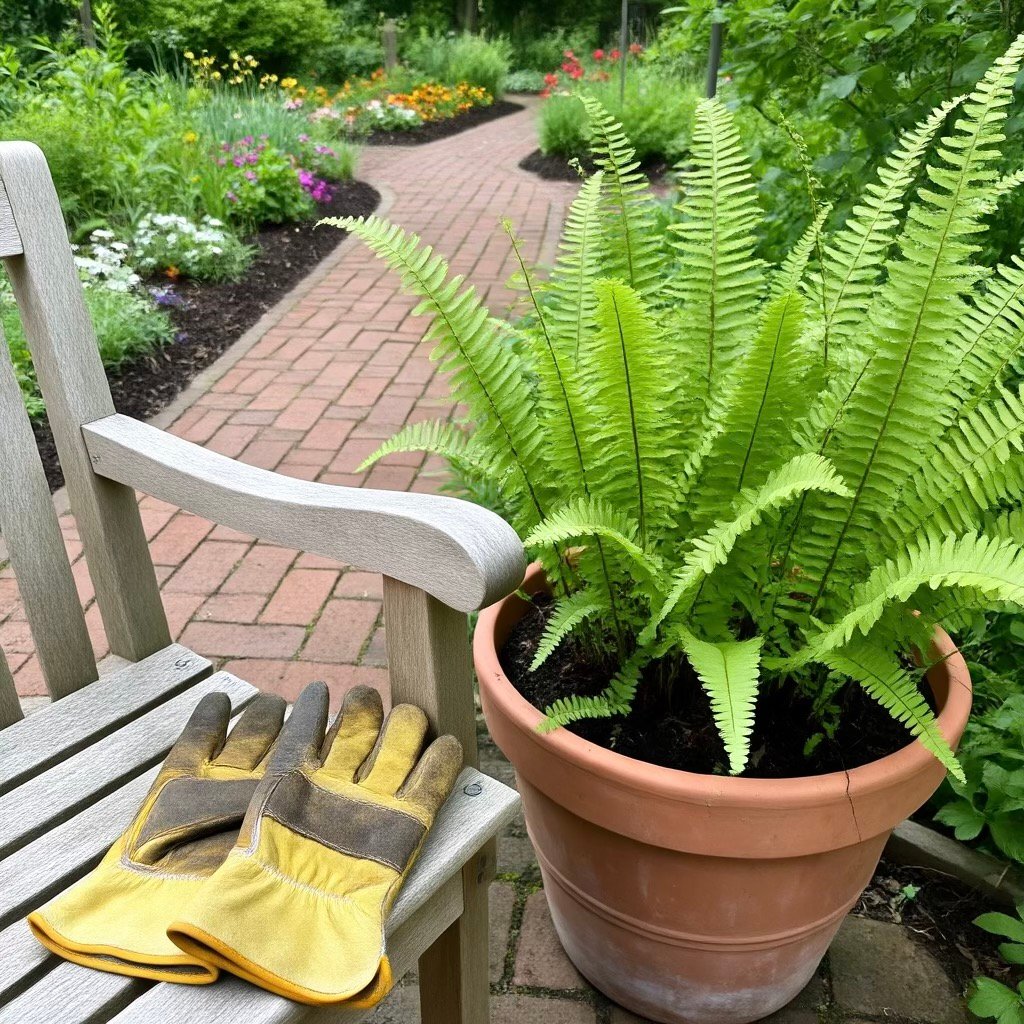
If the answer is yes to most of these, you’re probably on the right track.
Final Thoughts
The best gardening gloves for arthritis are the ones that make gardening easier rather than making your hands work harder.
For everyday gardening, I’d start with a lightweight, flexible glove with a good textured grip. If you experience pressure or discomfort in your palms, consider a little extra padding. If you’re a rose gardener, longer cuffs are worth the extra protection.
And remember that gloves are only one part of creating an arthritis-friendly garden.
Choosing ergonomic tools, raising your planting areas, reducing repetitive tasks and taking regular breaks can all help you spend more time enjoying your garden and less time recovering from it.
Because gardening should be joyful — not painful.
7 Gardening Gloves Worth Considering for Arthritis
If you’re looking for gardening gloves that are kinder to arthritic hands, these are seven options worth considering.
I’ve deliberately included different types rather than choosing seven very similar gloves. The right pair depends on whether your biggest problem is gripping tools, finger movement, hand fatigue, wet conditions or simply finding a glove that doesn’t feel bulky.
Tip: Prices, colours, sizes and availability can change, so check the current Amazon listing before buying.
1. Bionic Relief/Grip Gardening Gloves
🍃 Best overall for arthritis
If gripping garden tools is one of your biggest challenges, the Bionic ReliefGrip is one of the first gloves I’d look at.
The design is intended to provide a secure grip while reducing the amount of effort needed to hold onto tools. The fingers are also designed with flexibility in mind, which is important when stiff or painful joints make bulky gloves uncomfortable.
Why I like them: They are designed with grip and hand comfort as priorities rather than simply being a protective gardening glove.
Best for: Gardeners who struggle with gripping tools or experience hand fatigue.
Look for: The correct size is particularly important with this style of glove. A glove that’s too tight can defeat the purpose
2. Pine Tree Tools Bamboo Working Gloves
🌱 Best lightweight option
Sometimes you don’t need a heavily padded or reinforced glove. For planting, weeding, deadheading and other lighter jobs, a soft, lightweight glove can be much more comfortable.
Pine Tree Tools bamboo gloves are worth considering if you dislike the stiff feeling of traditional gardening gloves.
The lightweight construction allows your fingers to move naturally, which can be particularly helpful when you’re doing jobs that require a little dexterity.
Why I like them: They offer a lighter, more flexible alternative to bulky gardening gloves.
Best for: Planting, weeding and everyday garden maintenance.
Look for: A close but comfortable fit that doesn’t restrict your knuckles or fingertips.
3. G & F Products Professional Garden Gloves
🌱 Best everyday gardening glove
G & F Products makes a range of gardening gloves, including lightweight styles with coated palms designed to improve grip.
This type of glove is particularly useful if you want something for everyday gardening rather than a specialist arthritis glove.
The coated palm can help prevent tools from slipping, potentially making it easier to maintain a secure grip without squeezing quite so hard.
Why I like them: A practical everyday option that combines flexibility with grip.
Best for: General gardening, planting, weeding and handling garden tools.
Look for: A lightweight style with a flexible back rather than a thick, rigid glove.
4. DIGZ Women’s Garden Gloves
🌱 Best option for smaller hands
Getting the size right is especially important when you have arthritis.
A glove that’s too large can make tools harder to control, while one that’s too small can put uncomfortable pressure on your fingers and joints.
DIGZ offers gardening gloves in styles and sizes designed with women’s hands in mind, making them worth considering if standard unisex gardening gloves tend to feel too loose or bulky.
Why I like them: Finding a glove that actually fits your hand can make a bigger difference than having lots of extra padding.
Best for: Gardeners who find standard gardening gloves too large.
Look for: A comfortable fit around the fingers and knuckles without squeezing.
5. Vgo Nitrile-Coated Gardening Gloves
🌱Best budget option
If you go through gardening gloves quickly, a multipack can make a lot of sense.
Vgo makes nitrile-coated work and gardening gloves that provide a good balance between flexibility and grip.
Nitrile-coated palms are particularly useful for gardeners because they can provide traction without the thickness of a traditional heavy-duty glove.
Why I like them: They’re a practical option if you want several pairs without spending a lot on one specialist glove.
Best for: Everyday gardening and gardeners who want a budget-friendly multipack.
Look for: A thin, flexible nitrile coating rather than a thick coating that makes the fingers difficult to bend.
6. Wells Lamont HydraHyde Leather Gardening Gloves
🌱 Best for heavier gardening
Not every gardening job is gentle.
If you prune roses, handle thorny plants, move garden materials or do heavier outdoor work, you may need more protection than a lightweight planting glove provides.
Wells Lamont’s HydraHyde leather gloves are designed for tougher work and offer considerably more protection than a thin fabric gardening glove.
They’re not necessarily the gloves I’d choose for delicate planting, but they’re worth considering when protection is the priority.
Why I like them: They provide a more substantial barrier between your hands and rough or thorny garden materials.
Best for: Pruning, thorny plants and heavier garden jobs.
Look for: A comfortable fit that still allows enough finger movement to operate your tools.
7. Copper Compression Arthritis Gloves
🌱 Best as an under-glove option
These are a little different from the other gloves on this list.
Copper compression gloves are designed specifically for people looking for gentle compression and support around the hands. They’re generally fingerless, allowing you to retain some dexterity.
Rather than using them as your only gardening gloves, some gardeners may prefer wearing a comfortable compression glove underneath a protective gardening glove.
However, comfort and suitability vary from person to person, and compression gloves aren’t a substitute for proper gardening protection.
Why I like them: The fingerless design means you can still use your fingers while having another layer underneath your gardening gloves.
Best for: People who already like compression gloves and want to combine them with a gardening glove.
Look for: A comfortable level of compression and a size that doesn’t feel restrictive.
Which Gardening Glove Should You Choose?
If you’re not sure where to start, here’s my quick guide:
If gripping tools is your biggest problem:
👉 Try a grip-focused glove such as the Bionic ReliefGri.
If you want something lightweight:
👉 Look at the Pine Tree Tools Bamboo Gloves
If you want an everyday gardening glove:
👉 Consider the G & F Products Professional Garden Gloves
If standard gloves are too big:
👉 Try a women’s-specific option such as DIGZ
If you want an affordable multipack:
👉 Look at Vgo Nitrile-Coated Gloves.
If you’re pruning roses or dealing with thorns:
👉 Consider Wells Lamont HydraHyde.
If you already like compression gloves:
👉 A pair of Copper Compression Arthritis Gloves could be worth considering underneath your regular gardening gloves.
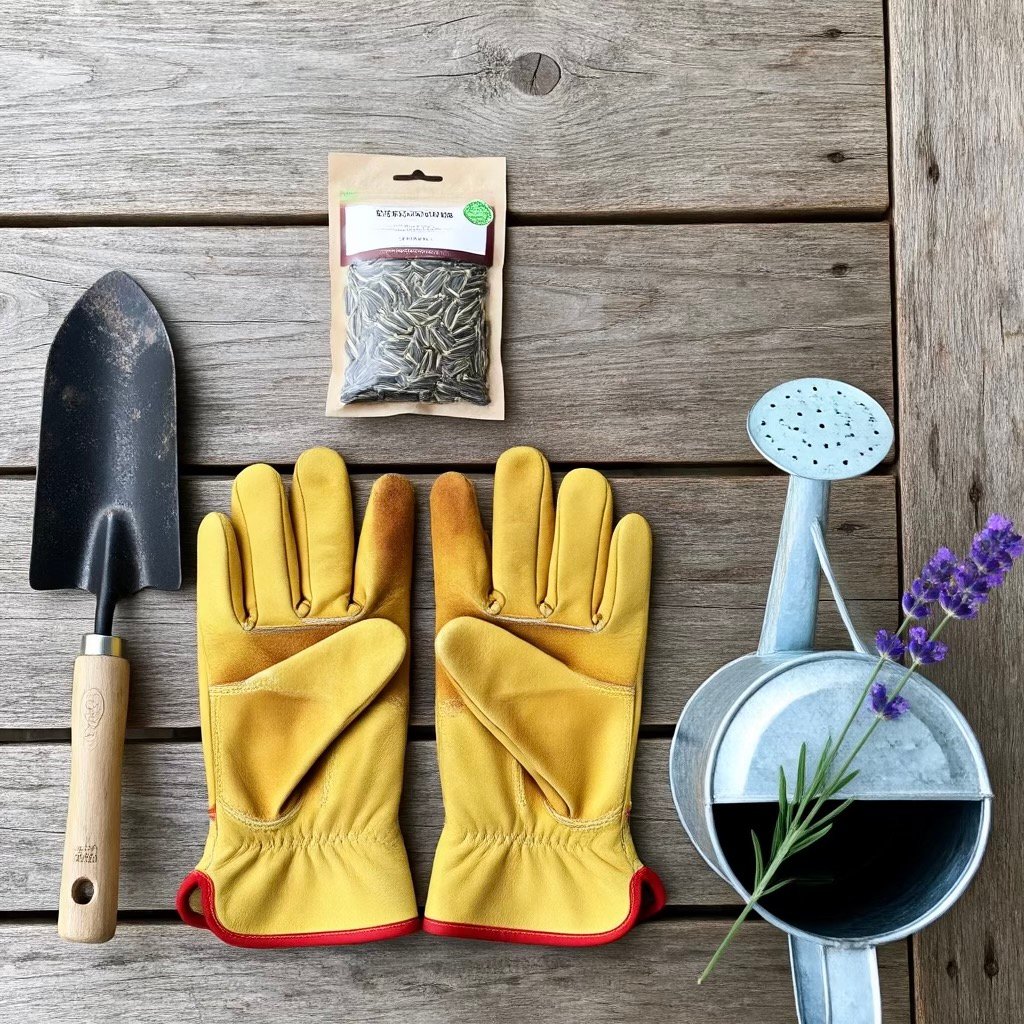
One Last Tip
Don’t assume that the most expensive glove will automatically be the best glove for your hands.
Comfort comes first.
If a glove makes you grip harder, restricts your fingers or puts pressure on painful joints, it isn’t helping — even if it’s marketed as an ergonomic or arthritis-friendly product.
The best gardening glove is the one that lets you hold your tools securely while allowing your hands to move as naturally and comfortably as possible.
And if you’re still finding gardening painful, don’t stop at changing your gloves. The right ergonomic tools, raised beds, comfortable working heights and a few clever garden-design changes can make an even bigger difference.
After all, the goal isn’t simply to make gardening possible.
It’s to make gardening enjoyable again.