Accessible Gardening: The Complete Guide to Creating a Beautiful Garden for Every Ability
Gardening should be for everyone. Whether you’re managing arthritis, living with limited mobility, gardening from a wheelchair, or simply looking for easier ways to enjoy your outdoor space, this guide will help you create a garden that works with your abilities—not against them.
Introduction
There is something special about spending time in a garden. Whether you’re planting a tomato seedling, watching bees visit your flowers, or harvesting herbs for dinner, gardening connects us with nature in a way few other hobbies can.
Unfortunately, many people reach a point where gardening becomes more difficult. Aching joints, arthritis, back pain, reduced strength, balance problems, or limited mobility can make simple tasks like digging, weeding or carrying watering cans feel exhausting. Some people stop gardening altogether because they believe they can no longer manage it safely.
The good news is that gardening doesn’t have to end when your circumstances change.
Accessible gardening is about adapting your garden to suit your abilities. With thoughtful planning, the right tools and a few practical changes, it’s possible to reduce physical strain while continuing to enjoy everything gardening has to offer. In many cases, a well-designed accessible garden is more comfortable, more productive and easier to maintain than a traditional one.
At My Stylish Backyard, we believe that everyone deserves the opportunity to enjoy gardening, regardless of age or physical ability. Our philosophy is simple:
Garden with Comfort.
That means creating outdoor spaces that work for you, using techniques and equipment that reduce unnecessary effort, and focusing on enjoyment rather than exhaustion.
Whether you’re an experienced gardener looking for easier methods or someone just beginning your gardening journey, this guide will introduce you to the principles of accessible gardening. You’ll learn how to make your garden more comfortable, safer to work in, and easier to maintain, while discovering practical ideas that can help you continue growing flowers, vegetables and herbs for many years to come.
Throughout this guide, we’ll cover raised beds, container gardening, ergonomic tools, accessible garden design, low-maintenance planting and practical tips for gardening with arthritis, limited mobility and other physical challenges.
Let’s begin by understanding what accessible gardening really means.
What Is Accessible Gardening?
Accessible gardening is the practice of designing and maintaining a garden so that it can be enjoyed by people of all ages, abilities and levels of mobility. Rather than expecting the gardener to adapt to the garden, accessible gardening focuses on adapting the garden to meet the gardener’s needs.
Many people assume accessible gardening is only for wheelchair users. In reality, it benefits a much wider range of people, including those living with:
* Arthritis and painful joints * Limited mobility * Chronic pain or fatigue * Back, knee or hip problems * Reduced strength or grip * Balance difficulties * Recovery from injury or surgery * Age-related changes in flexibility and stamina
Even gardeners with no medical conditions often find that accessible gardening techniques make the hobby more enjoyable by reducing unnecessary bending, lifting and repetitive strain.
Accessible gardening isn’t about giving up on ambitious gardens or lowering your expectations. It’s about making thoughtful choices that allow you to continue gardening comfortably and confidently.
These changes might include installing raised beds to reduce bending, using lightweight ergonomic tools to protect your joints, creating wider pathways for easier movement, growing vegetables in containers on a patio, or choosing plants that require less maintenance.
Every gardener’s needs are different. Some people may only need a comfortable kneeling seat and lighter watering can, while others may redesign their entire garden to accommodate a wheelchair or walking aid. There is no single “correct” accessible garden. The best garden is one that allows you to spend more time enjoying gardening and less time struggling with it.
Accessible gardening is ultimately about freedom. It’s about ensuring that physical challenges don’t prevent you from experiencing the satisfaction of growing plants, harvesting fresh produce and spending time in a beautiful outdoor space.
Why Accessible Gardening Matters
Gardening is much more than growing beautiful flowers or harvesting fresh vegetables. For many people, it is a source of purpose, relaxation and happiness. It encourages us to slow down, spend time outdoors and connect with the changing seasons.
When physical challenges begin to make gardening difficult, many people assume they have no choice but to give up the hobby they love. Thankfully, that doesn’t have to be the case.
Accessible gardening is about removing unnecessary barriers so you can continue enjoying all the benefits that gardening brings.
Gardening Supports Your Physical Wellbeing
Gardening naturally encourages gentle movement. Even simple tasks such as watering plants, sowing seeds or deadheading flowers help keep the body active.
When your garden is designed to suit your needs, you can remain active without placing unnecessary strain on your joints or muscles.
Simple adaptations such as raised beds, lightweight tools and comfortable seating allow you to work for longer periods while reducing fatigue and discomfort.
Remember, accessible gardening isn’t about doing less.
It’s about doing things differently.
Gardening Supports Your Mental Wellbeing
Many gardeners describe their garden as their happy place.
The simple act of tending plants, listening to birdsong or enjoying the scent of flowers can reduce stress and create a welcome sense of calm after a busy day.
Watching something you’ve planted grow and thrive also provides an enormous sense of achievement.
For people living with chronic pain or limited mobility, these moments of success can be incredibly valuable.
A garden becomes more than an outdoor space.
It becomes somewhere to relax, recharge and reconnect with nature.
Gardening Creates Independence
One of the greatest benefits of accessible gardening is that it helps people remain independent.
Rather than relying on someone else to do every gardening task, thoughtful design allows many activities to be completed comfortably and safely.
Simple improvements such as:
* Raised garden beds * Wide, level pathways * Lightweight watering equipment * Long-handled tools * Comfortable garden seating
can make a remarkable difference to everyday gardening.
Often, small changes produce the biggest improvements.
Gardening Brings People Together
Gardens also create opportunities to spend quality time with family and friends.
Grandparents can garden alongside grandchildren.
Neighbours can exchange vegetables and flowers.
Friends can enjoy a cup of tea on the patio while admiring your latest planting project.
Gardening becomes a shared experience rather than a solitary task.
Accessible gardens make these moments possible for everyone.
There Is No “Perfect” Garden
One of the biggest misconceptions about gardening is that every border must be immaculate and every lawn perfectly striped.
In reality, the best gardens are the ones that bring their owners joy.
An accessible garden may contain more raised beds than traditional flower borders.
It may rely on containers rather than large vegetable plots.
It may include wider paths, seating areas and easy-care plants.
That doesn’t make it any less beautiful.
In fact, designing a garden around your own needs often results in a space that is more relaxing, more enjoyable and easier to care for throughout the year.
A Garden That Grows With You
Our lives change over time.
The garden that suited you twenty years ago may not suit you today.
That isn’t a sign of failure.
It’s simply an opportunity to redesign your outdoor space so it continues to support the lifestyle you want to enjoy.
Whether you’re gardening with arthritis, recovering from an injury, using a wheelchair or simply looking for easier ways to care for your plants, your garden can grow and adapt alongside you.
Accessible gardening isn’t about limitations.
It’s about possibilities.
The Garden with Comfort Philosophy
At My Stylish Backyard, we believe gardening should leave you feeling satisfied—not exhausted.
That’s why everything we share is built around one simple idea:
Garden with Comfort
To us, “Garden with Comfort” means creating a garden that works with your body rather than against it.
It means replacing frustration with confidence.
Working smarter instead of harder.
Choosing practical solutions that allow you to spend more time enjoying your garden and less time struggling to maintain it.
Our philosophy is built on five simple principles.
1. Design for Yourself
Every gardener is different.
Your garden should reflect your own abilities, not someone else’s expectations.
Choose layouts, pathways and planting areas that are comfortable for you to reach and enjoy.
2. Work Smarter, Not Harder
Small changes often make the biggest difference.
Raised beds reduce bending.
Long-handled tools minimise stretching.
Containers bring plants within easy reach.
Lightweight equipment makes everyday jobs easier.
Accessible gardening is about reducing unnecessary effort without sacrificing enjoyment.
3. Comfort Comes First
There is no prize for gardening in pain.
Take regular breaks.
Sit whenever possible.
Protect your joints.
Listen to your body.
A comfortable gardener is far more likely to enjoy gardening for many years to come.
4. Celebrate Progress, Not Perfection
Every seed you sow…
Whether you have a large country garden, a small suburban backyard, a courtyard or just a few pots on a balcony, gardening is something everyone should be able to enjoy.
Every flower you grow…
Every tomato you harvest…
is an achievement worth celebrating.
Your garden doesn’t need to look like a magazine cover.
It only needs to make you smile.
5. Gardening Is for Everyone
Whether you have a large country garden, a small suburban backyard, a courtyard or just a few pots on a balcony, gardening is something everyone should be able to enjoy.
Our mission is to help make that possible.
Gardening with Arthritis
Arthritis doesn’t have to mean the end of your gardening journey. While stiff joints, reduced grip strength and painful hands can make certain gardening tasks more difficult, there are many ways to adapt your approach so you can continue enjoying your garden comfortably.
The key is to work with your body rather than against it.
Instead of trying to complete every task in one session, break larger jobs into smaller, manageable activities. Spending twenty comfortable minutes in the garden is far more enjoyable—and often more productive—than pushing yourself through several hours of discomfort.
Raised beds are one of the best investments for gardeners with arthritis. By bringing plants closer to waist height, they reduce the need to bend, kneel or crouch repeatedly. Pairing raised beds with wide paths and a comfortable seat creates a workspace that’s both practical and enjoyable.
Choosing the right tools also makes a remarkable difference. Ergonomic gardening tools are designed with larger, cushioned handles that require less gripping force and place less strain on your wrists and fingers. Lightweight pruners, long-handled weeders and ratchet secateurs can all help make gardening more comfortable.
There are also simple habits that can reduce strain:
* Warm up your hands before gardening. * Wear supportive gardening gloves that improve grip. * Alternate between different tasks to avoid repetitive movements. * Lift smaller loads more often rather than one heavy load. * Take regular breaks and stretch gently. * Garden during the cooler parts of the day if heat increases fatigue.
Remember, gardening should leave you feeling refreshed, not exhausted.
Quick Tip
Garden for comfort, not for the clock.
There’s no rule that says every gardening job has to be finished in one day.
⸻
Gardening with Limited Mobility
Limited mobility affects every gardener differently. You may find walking long distances difficult, struggle with balance, experience fatigue or find bending and reaching uncomfortable.
The good news is that thoughtful garden design can remove many of these challenges.
Start by looking at how you move through your garden.
Could pathways be widened?
Are there unnecessary steps?
Would another seating area encourage you to spend longer outside?
Simple improvements often make the biggest difference.
Wide, level paths provide safer access and make it easier to use walking aids or wheelchairs. Non-slip surfaces help improve confidence, especially during wet weather.
Keeping frequently used plants close to the house can also reduce unnecessary walking. Herbs, salad crops and favourite flowers are ideal candidates for containers near a patio or doorway.
Another useful approach is to create gardening “zones.” Rather than carrying tools backwards and forwards across the garden, store frequently used items where they’re needed. A small weatherproof storage box beside a vegetable bed or patio can save countless unnecessary journeys.
When choosing plants, consider varieties that require less frequent pruning, staking or watering. A garden designed around lower-maintenance plants allows you to spend more time enjoying your outdoor space and less time struggling to keep up with demanding tasks.
Above all, remember that your garden should adapt to your needs—not the other way around.
Gardening for Seniors
Gardening is one of the most rewarding hobbies at any age, and many people continue gardening well into their seventies, eighties and beyond.
As we grow older, however, our gardening priorities often change.
Jobs that once seemed effortless may now require a little more planning, and that’s perfectly normal.
The aim isn’t to garden exactly as you did twenty years ago.
The aim is to continue gardening comfortably for many years to come.
One of the easiest ways to achieve this is by reducing unnecessary physical effort. Raised planters, containers and vertical gardening systems bring plants closer to a comfortable working height, reducing the need to kneel or bend.
Choosing lightweight tools can also make everyday jobs much easier. Even small reductions in weight become noticeable after repeated use.
Good lighting is another important consideration, particularly around steps, pathways and entrances. Well-lit gardens are not only more enjoyable during the evening but also help reduce the risk of trips and falls.
Don’t overlook the importance of comfortable seating. A well-placed bench creates an opportunity to rest, admire your garden and simply enjoy being outdoors.
Gardening isn’t a race.
Some of the greatest pleasures come from slowing down and appreciating the changing seasons.
A Thought to Remember
Your experience is one of your greatest gardening strengths.
Years of observing plants, weather and wildlife have given you valuable knowledge that no gardening tool can replace.
Wheelchair Accessible Gardening
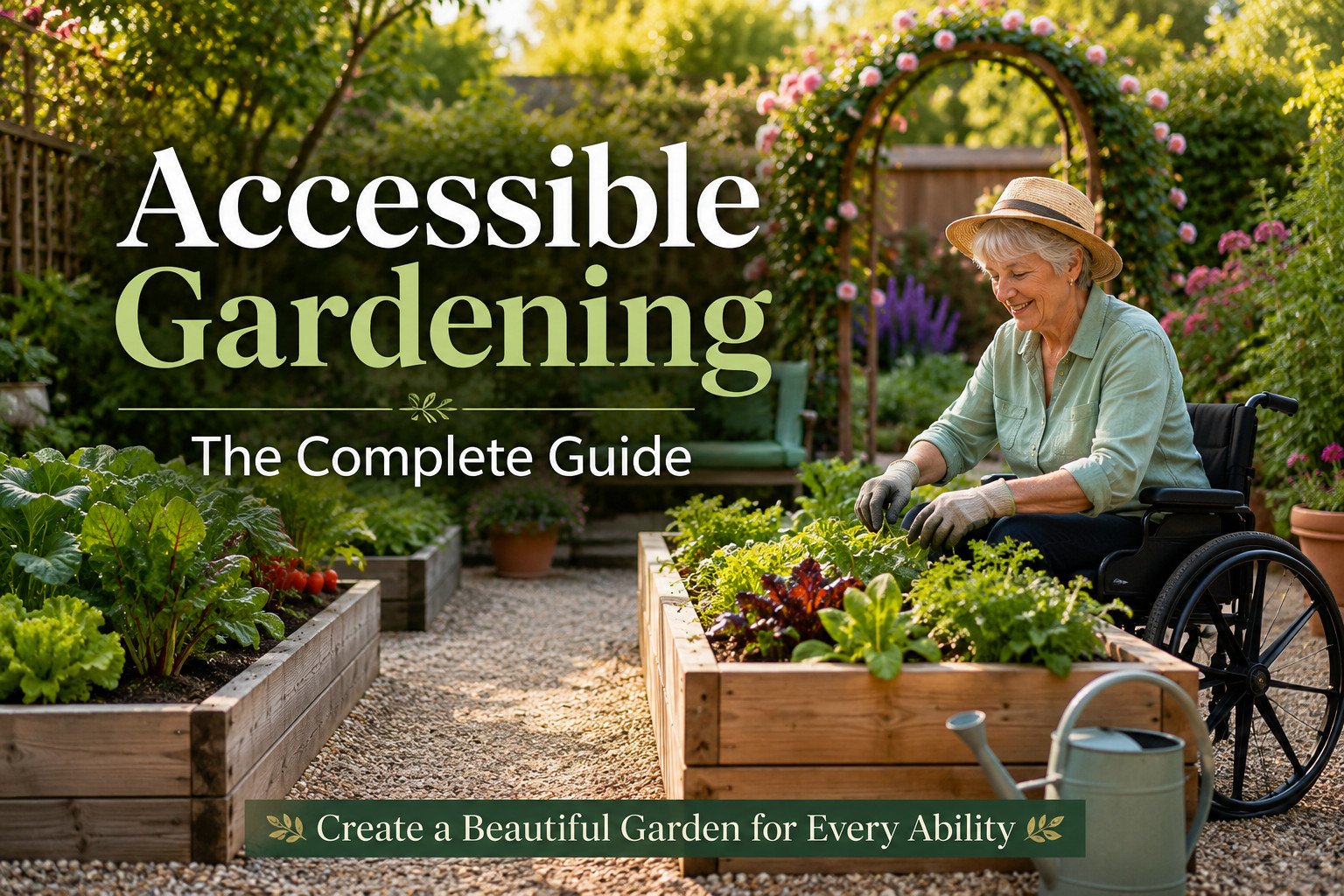
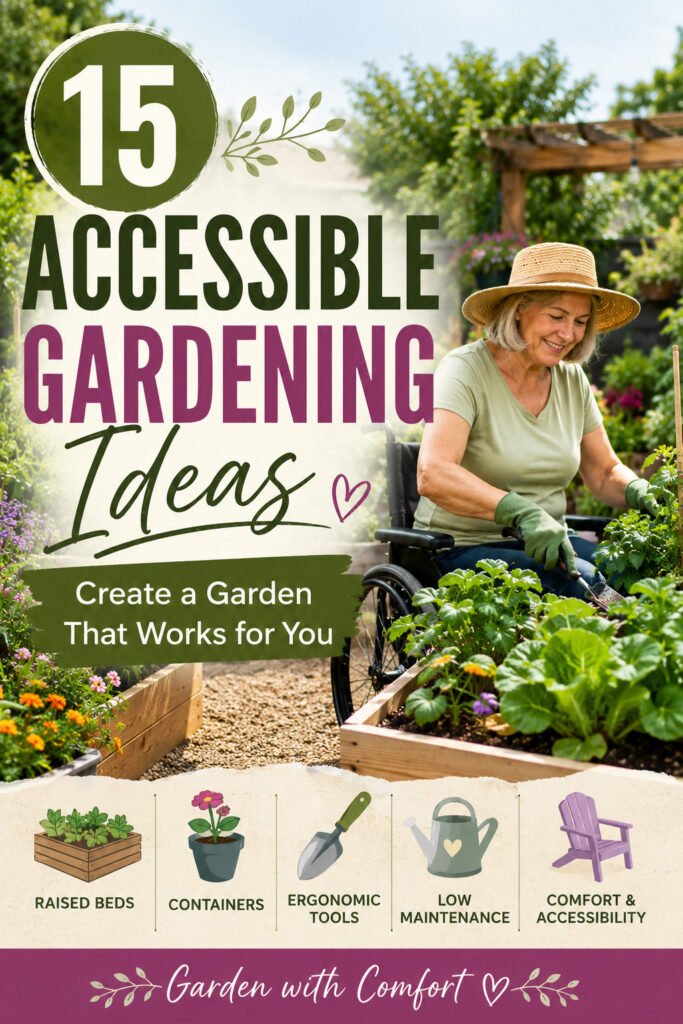
A wheelchair should never be a barrier to enjoying the pleasure of gardening. With thoughtful planning and accessible design, it’s entirely possible to grow flowers, vegetables, herbs and ornamental plants while creating a beautiful outdoor space that is practical, comfortable and welcoming.
The most successful wheelchair-accessible gardens are designed around ease of movement. Rather than trying to work around obstacles, the garden itself becomes part of the solution.
Wide, smooth pathways allow comfortable movement throughout the garden. Ideally, paths should be level, firm and non-slip, with enough space to turn easily without feeling restricted. Gravel can be difficult for many wheelchair users, while paving, resin-bound surfaces and well-compacted materials often provide a smoother experience.
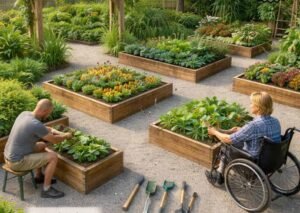
Raised beds are another essential feature. When positioned at a comfortable height, they allow plants to be reached without excessive stretching or bending. Leaving space underneath some raised beds can also provide room for a wheelchair to move closer, making planting, watering and harvesting far easier.
Containers offer another excellent solution. Placing pots on sturdy stands, benches or tables brings plants within easy reach and allows you to create attractive displays without working at ground level.
Think carefully about the location of frequently used features. Water sources, compost bins, potting benches and tool storage should all be positioned where they can be reached easily, reducing unnecessary movement around the garden.
Seating can also play an important role. Family members or friends can comfortably join you while gardening, turning everyday gardening tasks into shared experiences.
Most importantly, remember that wheelchair-accessible gardening is about independence and enjoyment. Every adaptation you make should help you spend more time doing what you love.
Quick Tip
When planning a new garden, imagine moving through it before you build it. Can you comfortably reach the plants? Is there enough turning space? Are tools and water within easy reach? Small design decisions made early can make gardening much easier for years to come.
Accessible Raised Beds
If there is one feature that transforms an accessible garden more than any other, it is the raised bed.
Raised beds reduce bending, minimise kneeling and bring plants closer to a comfortable working height. They make everyday gardening tasks easier, from sowing seeds and weeding to harvesting vegetables and cutting flowers.
The ideal height of a raised bed depends on your individual needs.
Gardeners who prefer standing often find beds around waist height the most comfortable, while wheelchair users may benefit from designs that allow space underneath so they can move closer to the planting area.
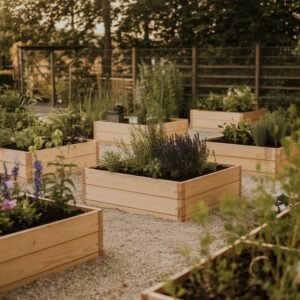
Raised beds also improve organisation. Instead of walking across large vegetable plots, you can create clearly defined growing areas connected by wide, accessible paths.
Another advantage is improved soil quality. Because raised beds are filled with fresh growing medium, they often provide better drainage, warmer soil in spring and improved growing conditions for many vegetables and flowers.
When planning raised beds, consider:
* Comfortable working height * Easy access from all sides * Wide pathways between beds * Rounded edges for comfort and safety * Durable materials such as timber, recycled plastic or metal * Convenient access to water
Raised beds don’t have to be large. Even one small bed can significantly reduce physical effort while providing enough space to grow herbs, salad leaves or seasonal flowers.
Many gardeners begin with a single raised bed and gradually add more as they discover how much easier gardening becomes
If you’re considering building your first raised bed, the Royal Horticultural Society’s guide to raised beds provides excellent advice on planning, construction and choosing the right size.
Garden with Comfort Tip
Think of a raised bed as an investment in your future enjoyment of gardening. It doesn’t simply make gardening easier today—it helps you continue gardening comfortably for many years to come.
Container Gardening
Container gardening is one of the most flexible and accessible ways to enjoy gardening.
Whether you have a large backyard, a small patio, a balcony or simply a sunny doorstep, containers allow you to grow an incredible variety of plants without the physical demands of traditional garden beds.
One of the greatest advantages of containers is that they can be positioned exactly where you need them. Pots placed on benches, tables or raised stands reduce bending and make planting, watering and harvesting far more comfortable.
Container gardening is particularly well suited to growing:
* Herbs * Salad leaves * Tomatoes * Strawberries * Chillies * Dwarf fruit trees * Colourful annual flowers * Pollinator-friendly plants
Choosing lightweight containers can also make a significant difference. Modern resin and recycled plastic pots often provide the appearance of stone or ceramic while being much easier to move.
Self-watering planters are another excellent option. They reduce the need for frequent watering and help plants remain healthy during warm weather, making gardening easier for anyone who struggles with lifting heavy watering cans.
Good-quality compost is essential for success. Because containers hold a limited amount of soil, using a premium potting mix with added nutrients helps plants thrive throughout the growing season.
Grouping containers together creates attractive displays while making watering and maintenance more efficient.
Don’t be afraid to experiment. One of the joys of container gardening is that plants can easily be rearranged, allowing you to refresh your outdoor space whenever inspiration strikes.
Quick Tip
If lifting pots is difficult, place them on wheeled plant caddies before filling them with compost. This simple solution allows heavy containers to be moved with minimal effort.
Ergonomic Gardening Tools
One of the simplest ways to make gardening more enjoyable is to use tools that are designed to work with your body instead of against it.
Traditional garden tools can place unnecessary strain on your hands, wrists, shoulders and back, especially if you have arthritis, reduced grip strength or limited mobility. Ergonomic gardening tools are specifically designed to reduce that strain, allowing you to garden for longer and with greater comfort.
Many ergonomic tools feature larger, cushioned handles that are easier to grip, even if your hands are stiff or painful. Others are lightweight, helping to reduce fatigue during longer gardening sessions.
When choosing gardening tools, don’t assume that the most expensive option is always the best. Instead, look for tools that feel comfortable in your hand and suit the way you garden.
Some of the most useful ergonomic gardening tools include:
* Ratchet secateurs that reduce the effort needed to cut thicker stems. * Long-handled weeders that minimise bending. * Lightweight trowels with soft-grip handles. * Extendable pruners for reaching higher branches safely. * Garden kneelers that convert into sturdy seats. * Rolling garden seats for moving comfortably along flower beds. * Lightweight watering cans or expandable garden hoses. * Garden carts for transporting compost, tools and pots.
Remember that every gardener is different. What works well for one person may not suit another, so don’t be afraid to try different tools until you find those that feel comfortable.
Garden with Comfort Tip
If a tool hurts your hand every time you use it, replace it. The right tool should make gardening easier—not harder.
Low-Maintenance Gardening
A beautiful garden doesn’t have to demand hours of work every week.
One of the greatest myths in gardening is that a perfect garden requires constant maintenance. In reality, careful planning can dramatically reduce the time and effort needed to keep your outdoor space looking attractive throughout the year.
Low-maintenance gardening is not about doing less because you have to.
It’s about choosing smarter solutions that allow you to spend more time enjoying your garden and less time maintaining it.
Some simple ways to reduce garden maintenance include:
Choose Easy-Care Plants
Select reliable plants that naturally resist pests and diseases and don’t require frequent pruning or feeding.
Native plants are often an excellent choice because they are already well adapted to your local climate.
Mulch Your Beds
Applying mulch helps:
* suppress weeds * retain moisture * improve soil * reduce watering
One simple task can save many hours of weeding over the course of a year.
Install Efficient Watering Systems
Drip irrigation or soaker hoses provide water directly to plant roots while reducing the need to carry heavy watering cans.
Timers can automate watering during warmer months.
Reduce Lawn Areas
Lawns often require the greatest amount of maintenance.
Replacing part of your lawn with raised beds, gravel gardens, wildflowers or ground-cover plants can significantly reduce mowing while increasing biodiversity.
Garden in Stages
Not every job needs to be completed immediately.
Breaking tasks into smaller sessions helps prevent fatigue while making gardening far more enjoyable.
Garden with Comfort Tip
The easiest garden to maintain is one that has been designed with maintenance in mind from the beginning.
Designing an Accessible Garden
Creating an accessible garden starts with understanding how you use your outdoor space every day.
Rather than asking, “How should my garden look?”, ask yourself:
“How do I want my garden to work?”
Plan Comfortable Pathways
An accessible garden should feel welcoming, comfortable and easy to move around.
Choose paths that are:
* wide enough to move comfortably * level wherever possible * firm and slip-resistant * well lit * easy to maintain
Good pathways improve confidence and make every part of the garden easier to enjoy.
Create Comfortable Working Areas
Think about where you’ll spend most of your gardening time.
A small potting bench, raised planting table or sheltered seating area can make everyday gardening much more comfortable.
Bring the Garden Closer
Position favourite plants where they are easy to reach.
Place herbs near the kitchen.
Grow vegetables close to the house.
Keep frequently used tools nearby.
Reducing unnecessary walking saves both time and energy.
Include Places to Rest
Gardens are meant to be enjoyed, not rushed through.
A comfortable bench beneath a tree, a shaded patio or a quiet seating area beside a flower bed allows you to pause, relax and appreciate your surroundings.
Think About the Future
Your gardening needs may change over time.
Designing with flexibility in mind means your garden can continue to adapt as your circumstances change.
Accessible gardening is not only about today.
It’s about creating a garden that you can continue enjoying for many years to come.
Frequently Asked Questions
What is accessible gardening?
Accessible gardening is designing and maintaining a garden so it can be enjoyed comfortably by people of all ages and abilities, including those living with arthritis, limited mobility or other physical challenges.
Can I still garden if I have arthritis?
Absolutely.
Many people with arthritis continue gardening successfully by using ergonomic tools, raised beds, lightweight equipment and by adapting how they work rather than giving up gardening altogether.
Are raised beds worth the investment?
For many gardeners, yes.
Raised beds reduce bending, improve access and often make planting, weeding and harvesting much easier.
Which gardening tools are easiest to use?
Look for lightweight tools with ergonomic handles, ratchet pruners, long-handled weeders and equipment designed to reduce strain on your joints.
Is container gardening easier than traditional gardening?
For many people it is.
Containers bring plants closer to a comfortable working height, reduce bending and allow gardening in smaller spaces such as patios, balconies and courtyards.
Final Thoughts
Accessible gardening isn’t about changing your love of gardening.
It’s about changing the way you garden so that you can continue enjoying it for years to come.
Whether you begin with a single raised bed, replace a heavy watering can with a lightweight hose, or simply add a comfortable bench where you can pause and admire your garden, every small improvement makes a difference.
At My Stylish Backyard, we believe beautiful gardens should be accessible to everyone.
No matter your age, experience or physical ability, there is always a way to garden with greater comfort, confidence and enjoyment.
Start with one small change today.
Your future self—and your future garden—will thank you.
Continue Your Accessible Gardening Journey
You might also enjoy these guides:
* Gardening with Arthritis: Practical Tips for Happier Gardening * Wheelchair Accessible Garden Design Ideas * The Best Raised Beds for Comfortable Gardening * Container Gardening for Beginners * Essential Ergonomic Gardening Tools * Low-Maintenance Garden Ideas That Save Time * How to Create a Senior-Friendly Garden
10 Gardening Tasks to Avoid If You Have Arthritis10 Gardening Tasks to Avoid If You Have Arthritis10 Gardening Tasks to Avoid If You Have Arthritis