Accessible Gardening: How I Made Gardening Possible Again (Even With Pain & Limited Mobility)
If you had told me a few years ago that I’d still be gardening regularly, I probably wouldn’t have believed you.
Living with chronic pain, foot issues, and limited mobility changes everything. The things you once loved—like spending hours outside planting, weeding, and pottering—suddenly feel out of reach.
But here’s the truth I’ve discovered:
Gardening doesn’t have to stop. It just has to change.
And once I stopped trying to garden the old way… everything became easier.
Why Traditional Gardening Stopped Working for Me
I used to think gardening meant:
* Bending down constantly * Kneeling on the ground * Carrying heavy pots and watering cans * Spending hours on my feet
And honestly? My body just couldn’t keep up anymore.
Between foot pain, fatigue, and joint stiffness, even a short time in the garden could leave me exhausted (or worse, in pain for days).
If you feel the same, you’re not alone.
The Shift That Changed Everything
The biggest turning point for me was realising this:
I didn’t need to give up gardening — I needed to make gardening work for me.
That’s when I started exploring accessible gardening.
And it completely changed how I garden (and how I feel about it).
What Is Accessible Gardening?
Accessible gardening simply means designing your garden so it works with your body, not against it.
That might mean:
* Gardening at waist height instead of ground level * Reducing bending, stretching, and lifting * Making everything easier to reach * Creating a space you can actually enjoy without pain
And the best part?
It’s not just for wheelchair users — it’s for anyone with:
* Arthritis * Chronic pain * Fatigue or low energy * Balance issues * Reduced mobility
My Favourite Accessible Gardening Ideas (That Actually Help)
These are the changes that made the biggest difference for me personally.
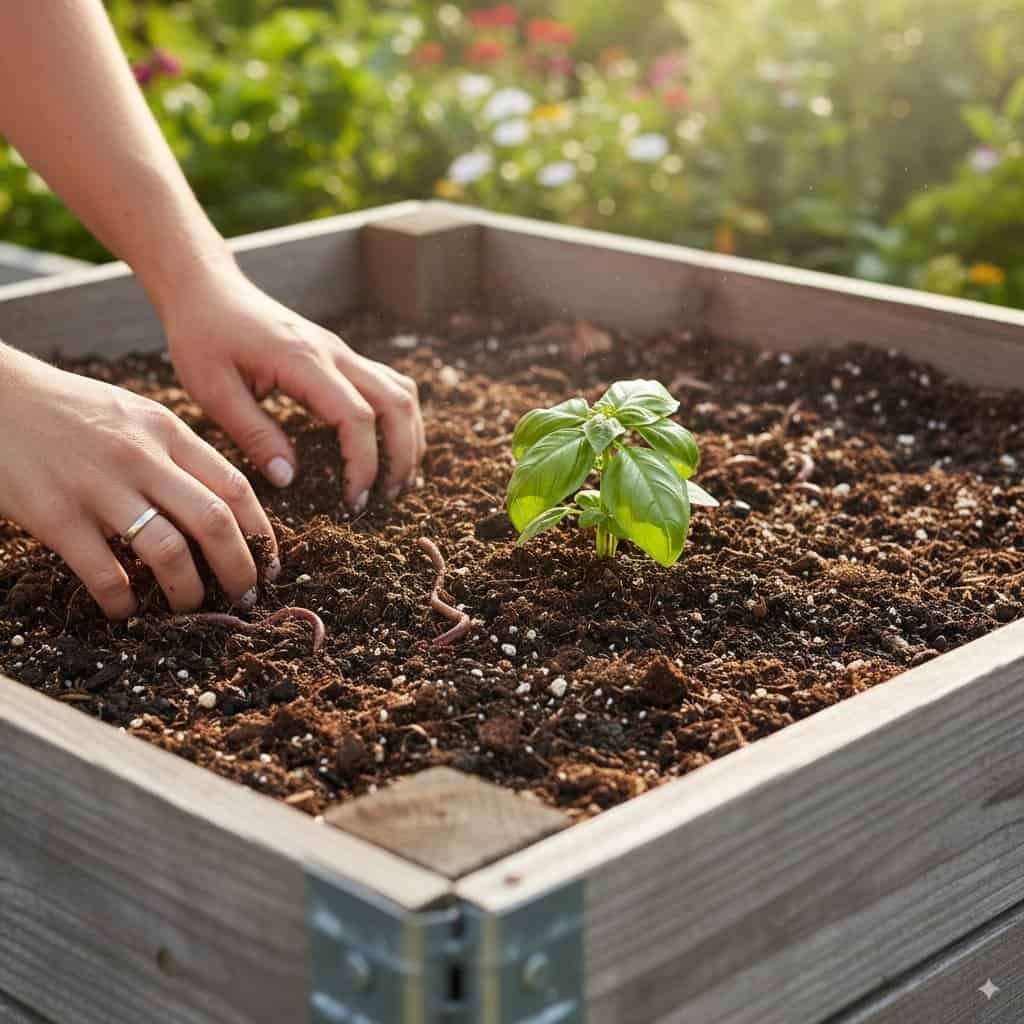
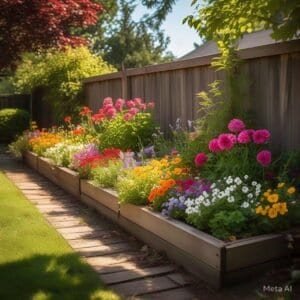
1. Raised Beds (Game-Changer)
If I could recommend just one thing, it would be this.
Raised beds bring the garden up to you.
Instead of bending down, you can work at a comfortable height—which massively reduces strain on your back, knees, and joints.
They’re especially helpful because:
* You can customise the height to suit your body * They reduce the need for kneeling * They’re easier to manage overall
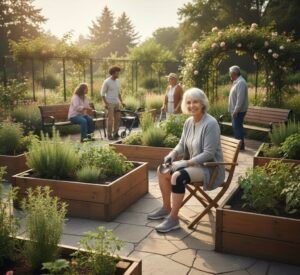
For wheelchair or seated gardening, raised beds around 60–75 cm high are often ideal because they align with comfortable reach height.
For me, this was the difference between not gardening at all… and enjoying it again.
If you’re considering raised beds, you may also like my guide on raised beds for easier gardening without bending.
⭐ My Recommendation for Easier Gardening
Elevated Raised Garden Bed
✔ No bending required
✔ Great for arthritis & mobility issues
✔ Ideal for patios and small spaces
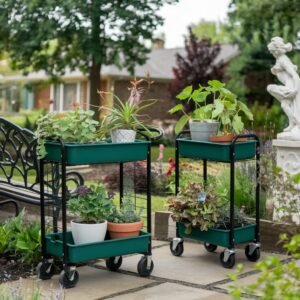
2. Container & Vertical Gardening (Less Walking, Less Effort)
When walking is difficult (I really feel this), spreading plants all over the garden just isn’t practical.
So I started grouping things together using:
* Pots * Planters * Vertical setups (like wall planters or trellises)
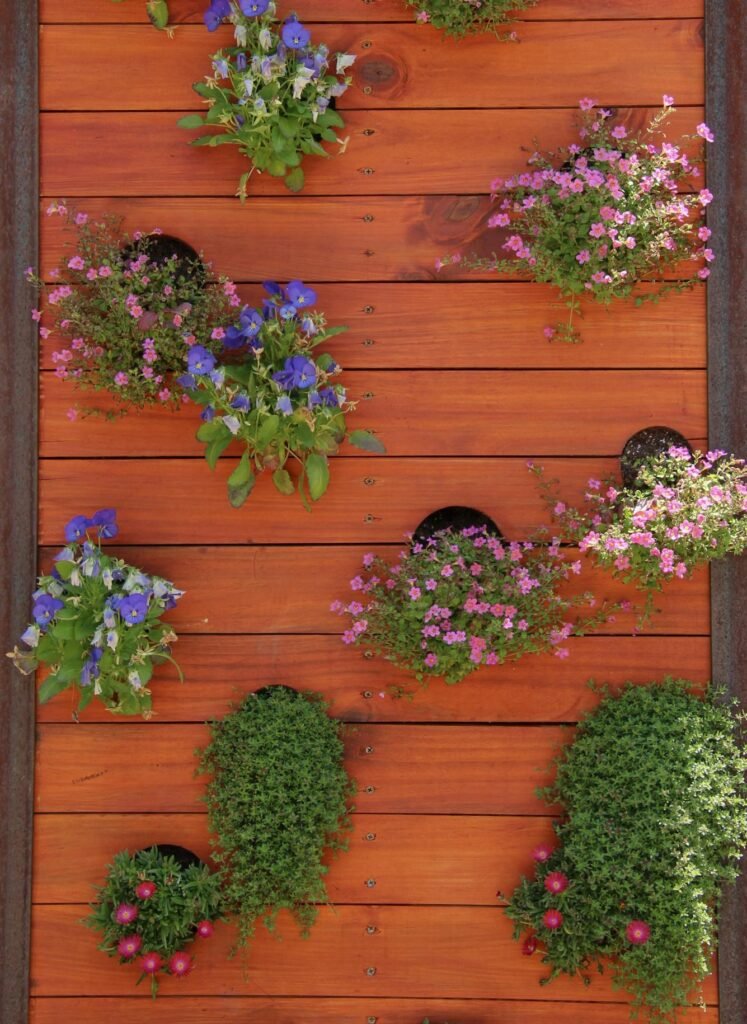
This means:
* Less walking back and forth * Everything within reach * Easier watering and care
And honestly, it just feels more manageable.
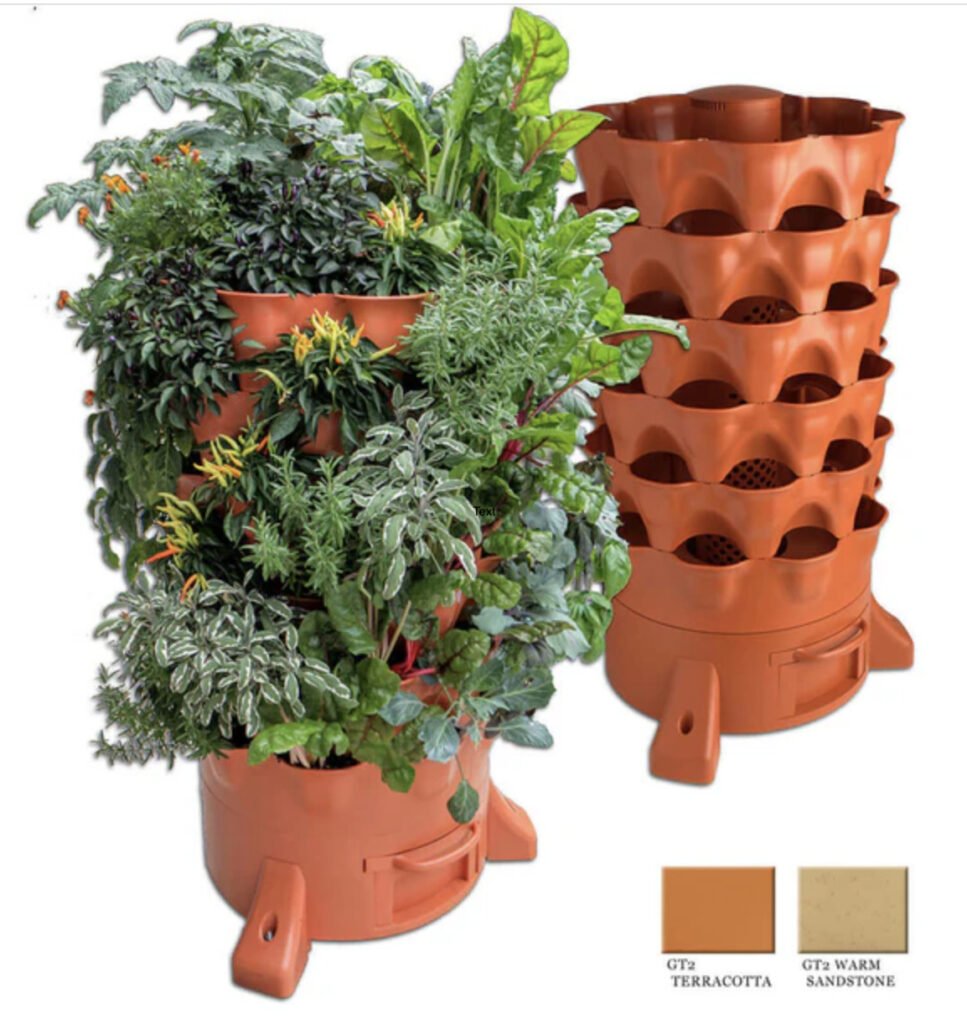
Add things like
* vertical plant towers
* vertical garden planters
* vertical hydroponic systems
* Vertical Wooden Raised Garden
3. Lightweight, Easy-Grip Tools
This one is often overlooked—but it makes a huge difference.
Traditional tools can be:
* Heavy * Hard to grip * Painful on stiff joints
Switching to:
* Lightweight tools * Ergonomic handles * Long-handled tools
…can reduce strain massively and help you garden for longer without discomfort.
I go deeper into this in my post on the best ergonomic gardening tools for arthritis and joint pain.
4. Wide, Smooth Paths (Safety First)
This might not sound exciting—but it matters.
Uneven ground, grass, or gravel can make gardening exhausting (and risky).
A smoother path means:
* Easier movement (especially with mobility aids) * Less energy used * Reduced risk of trips or falls
Even simple improvements can make your garden feel more accessible and enjoyable.
5. Choosing Easy, Low-Maintenance Plants
I used to think I had to grow everything.
Now? I choose plants that work for me.
Some of my favourites:
* Herbs (mint, basil, rosemary)
* Lettuce and leafy greens
* Cherry tomatoes
* Hardy flowers
These don’t require constant attention, which is perfect on low-energy days.
6. Building in Rest (This Is So Important)
This is something I had to learn the hard way.
You don’t have to do everything in one go.
Adding:
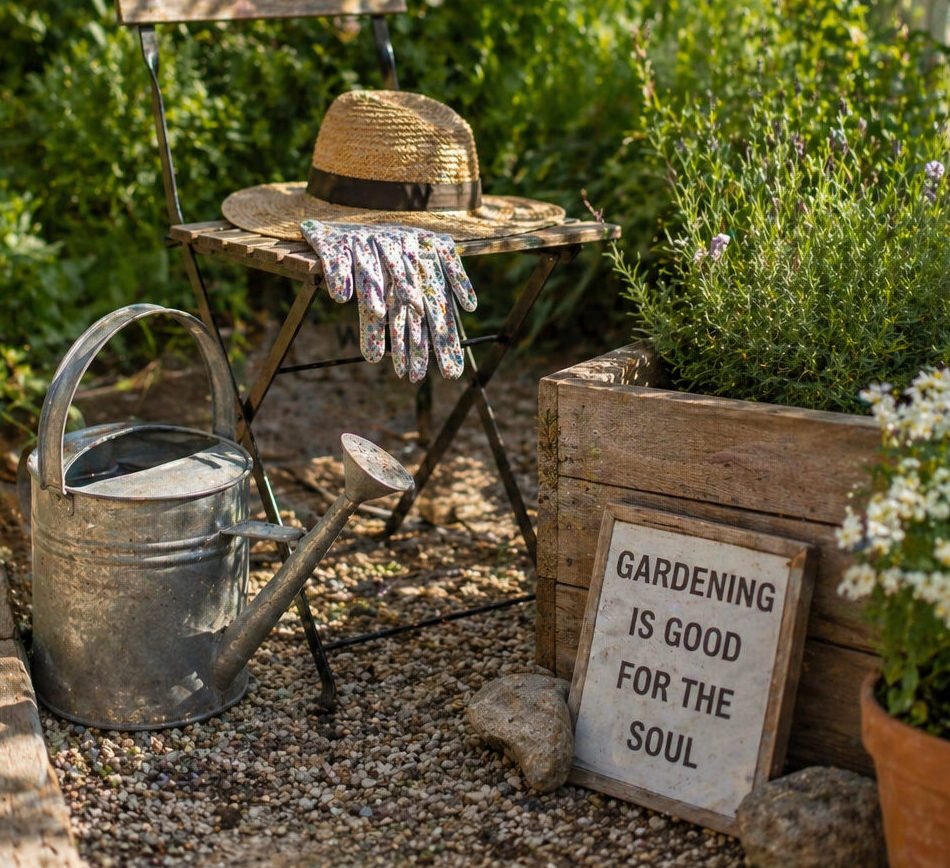
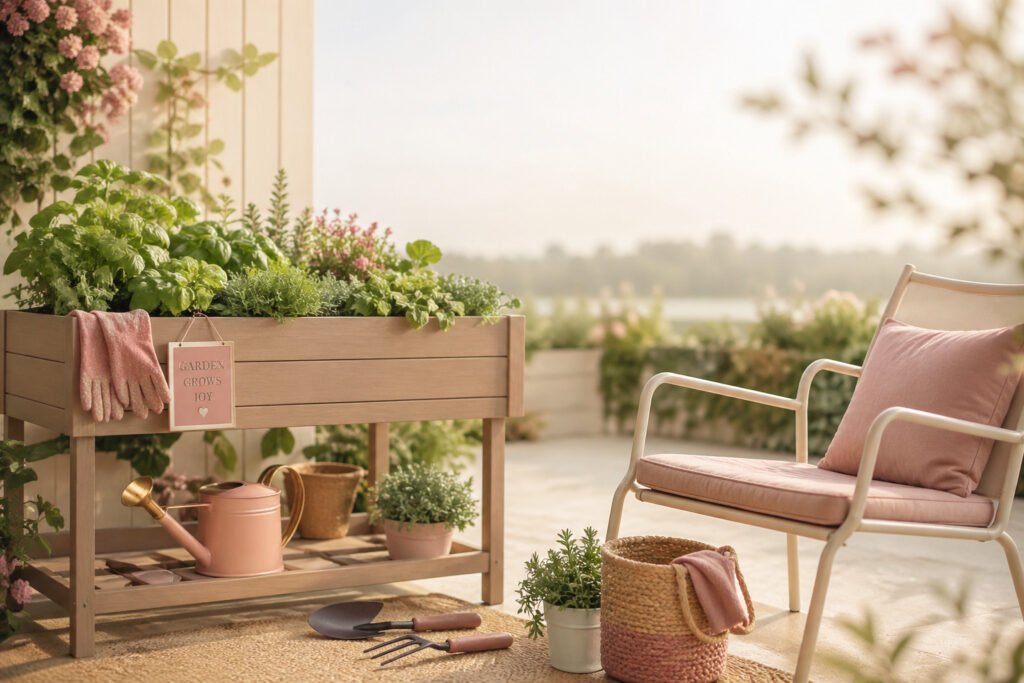
* A chair or bench
* Small “pause points” in your garden
…means you can take breaks when you need to.
And that makes gardening feel enjoyable again—not exhausting.
What Accessible Gardening Feels Like (For Me)
I won’t pretend it’s the same as it used to be.
But in many ways… it’s better.
It’s slower. Gentler. More intentional.
And most importantly:
It’s something I can still do.
On good days, I can spend longer outside.
On harder days, I can still do a little—without pushing myself too far.
And that’s enough.
If You’re Struggling Right Now…
If gardening feels out of reach for you at the moment, I want you to know this:
You don’t need to “push through” the pain. You don’t need to do it the old way.
Start small.
Even one simple change—like a raised planter or a few pots near your door—can make a huge difference.
Final Thoughts: You Can Still Garden 🌿
Gardening isn’t about how much you do.
It’s about how it makes you feel.
And with the right setup, it can still be:
* Calming * Rewarding * Something to look forward to
Even with pain. Even with limitations.
⸻
💬 I’d love to hear from you
What’s your biggest struggle when it comes to gardening right now?
Let me know in the comments—I always read them, and it helps me create content that truly helps 💚
🌿 You Might Also Find These Helpful
If you’re exploring accessible gardening further, you may also like:
* 👉 Best Ergonomic Gardening Tools for Arthritis and Joint Pain
* 👉 Raised Beds for Easier Gardening Without Bending
* 👉 Low Maintenance Garden Ideas for Low Energy Days
* 👉 Garden Kneeler – tools to making easier.