The Complete Guide to Raised Flower Beds: Elevating Your Garden Experience
Disclosure: This post contains affiliate links, which means I may earn a small commission if you click and buy — at no extra cost to you. As an Amazon Associate, I earn from qualifying purchases. Thank you for supporting My Stylish Backyard.
Transforming Gardens Through Elevated Growing Solutions
Raised flower beds represent a revolutionary approach to gardening that has transformed how we cultivate beautiful blooms and thriving plants. These elevated growing systems offer gardeners unprecedented control over their growing environment while providing solutions to common gardening challenges that have plagued traditional ground-level cultivation for generations.
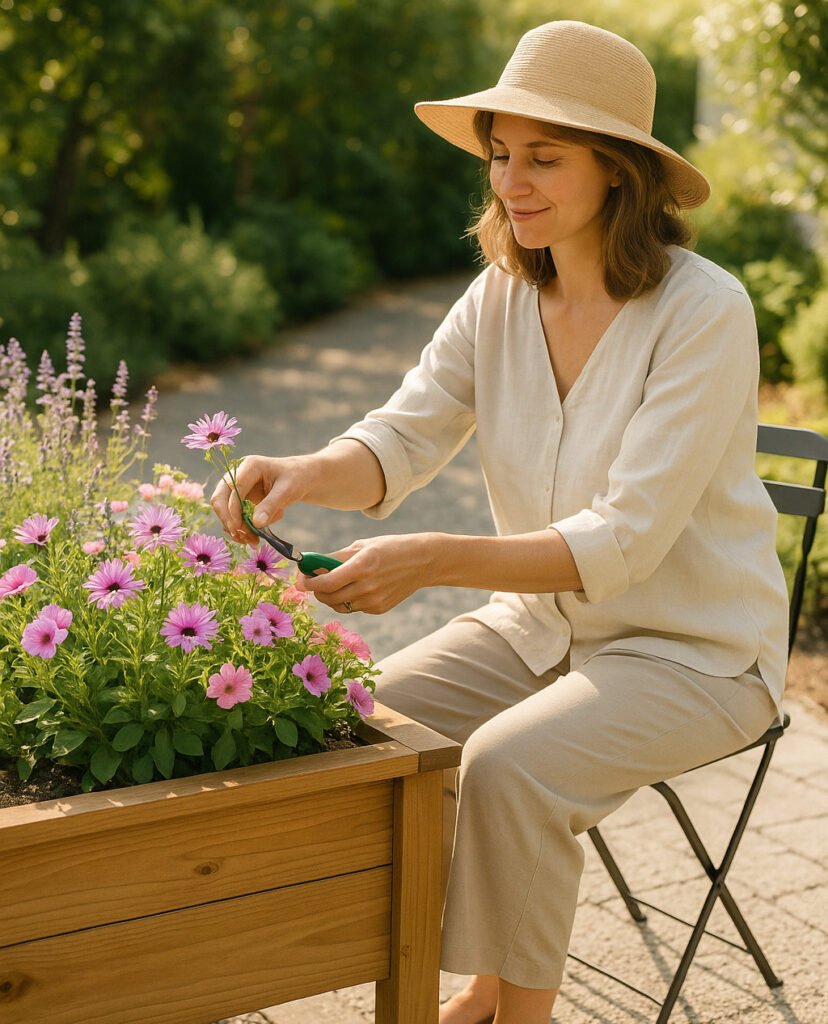
We understand that modern gardeners face numerous obstacles, from poor soil conditions and drainage issues to physical limitations that make traditional gardening methods difficult or impossible. Raised flower beds address these concerns while creating stunning visual displays that enhance any landscape design.
Understanding Raised Flower Bed Construction and Design
Materials and Construction Options
The foundation of any successful raised flower bed lies in selecting appropriate materials that balance durability, aesthetics, and functionality. We recommend considering several construction options based on your specific needs and budget constraints.
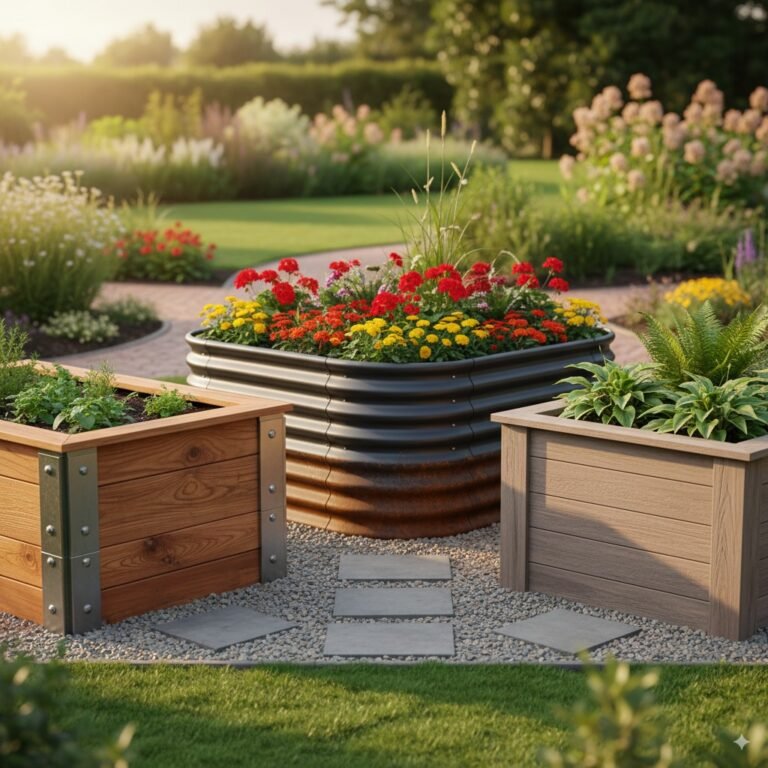
Cedar remains the premium choice for wooden raised beds due to its natural resistance to decay and insects. This material provides excellent longevity while maintaining an attractive appearance that complements most landscape designs. Alternative wood options include pressure-treated lumber, though we advise caution regarding chemical treatments near edible plants.
Metal raised beds, particularly those constructed from galvanized steel or aluminum, offer exceptional durability and modern aesthetic appeal. These materials heat up quickly in spring, extending growing seasons, but require careful consideration of heat transfer to plant roots during summer months.
Composite materials provide an excellent middle ground, combining the natural appearance of wood with enhanced durability and minimal maintenance requirements. These options typically cost more initially but offer significant long-term value through reduced replacement needs.
Optimal Dimensions for Maximum Growing Success
We recommend specific dimensional guidelines to ensure your raised flower beds provide optimal growing conditions. The ideal depth ranges from 8 to 12 inches for most flowering plants, with deeper beds supporting plants with extensive root systems.
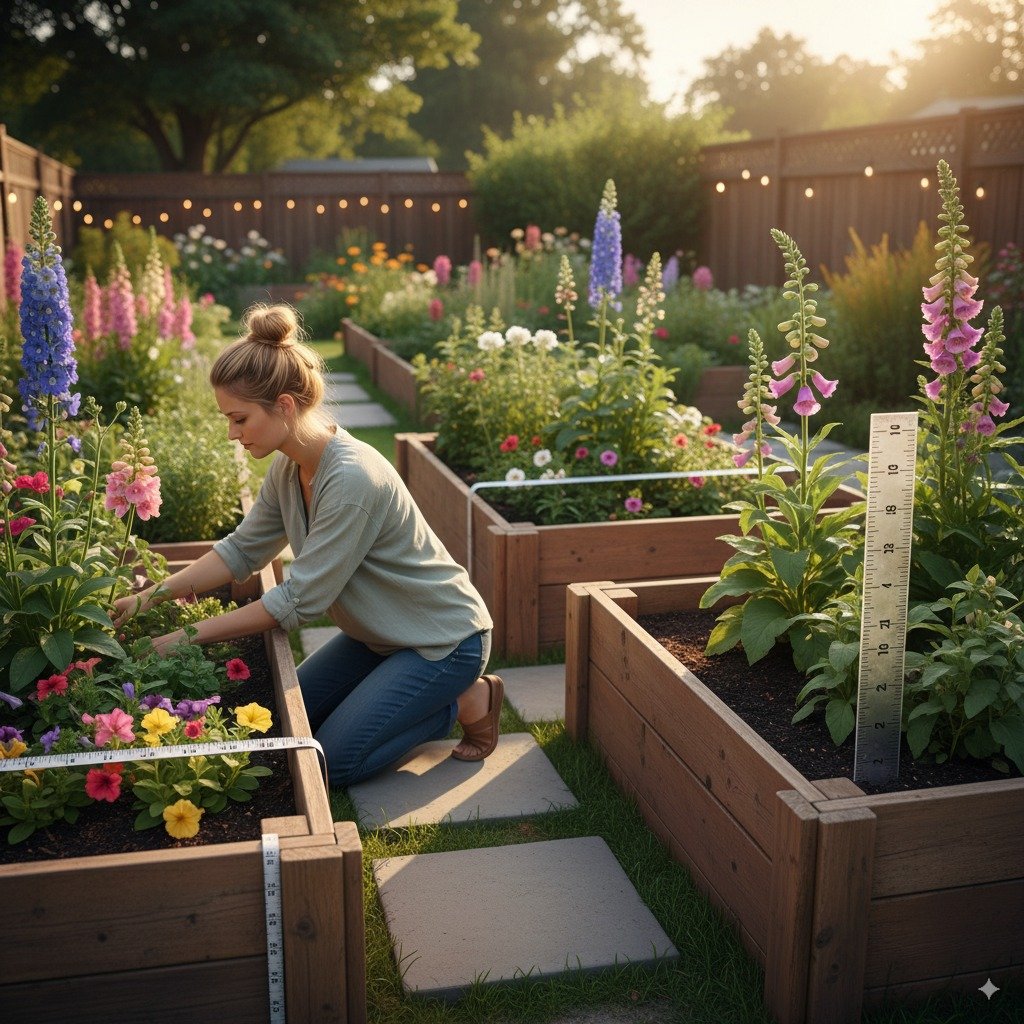
Width considerations prove crucial for accessibility and maintenance. We suggest limiting bed width to 4 feet for beds accessible from both sides, or 2 feet for beds accessible from only one side. This ensures you can reach the center of the bed comfortably without stepping on the soil and compacting it.
Length can vary based on available space, but we recommend keeping individual beds under 8 feet to maintain structural integrity and ease of construction. Longer beds may require additional support structures to prevent bowing or warping over time.
.
The Top Three Benefits of Raised Flower Beds
Superior Soil Control and Quality
The primary advantage of raised flower beds lies in complete soil control. This method provides many benefits, the primary one being soil control, especially beneficial if you currently have less than ideal soil in your backyard. We can create custom soil blends tailored to specific plant requirements, ensuring optimal nutrition, drainage, and pH levels.
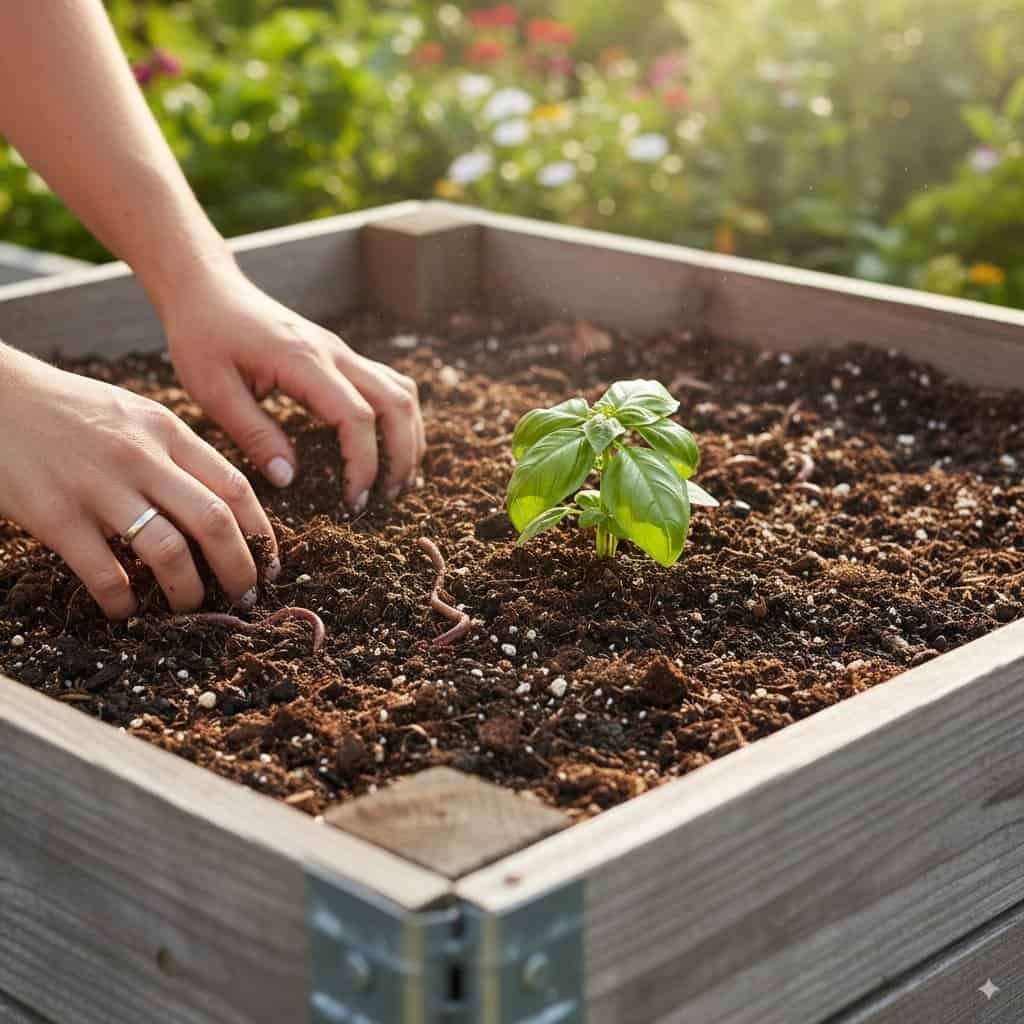
Traditional ground-level gardening often involves years of soil amendment and improvement, while raised beds allow immediate planting in perfect growing medium. This control extends to soil depth, drainage characteristics, and organic matter content, creating ideal conditions for robust plant growth and vibrant blooms.
Enhanced Drainage and Water Management
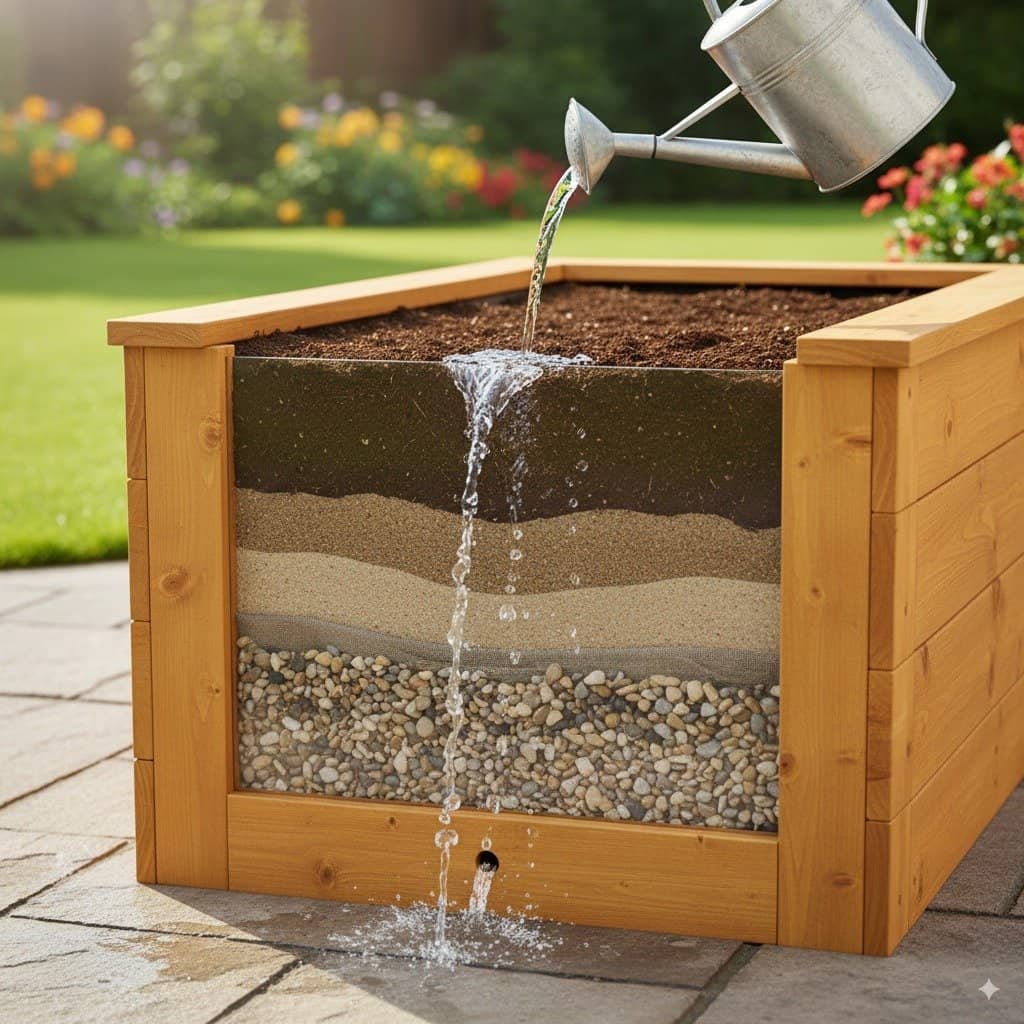
The soil of raised beds drains freely, providing a home for plants that are sensitive to poorly drained soils. This superior drainage prevents root rot, fungal diseases, and other moisture-related problems that commonly affect plants in heavy clay or compacted soils.
We can customize drainage characteristics by adjusting soil composition and incorporating drainage materials at the bed’s base. This flexibility allows cultivation of plants with varying water requirements within the same garden space, from drought-tolerant perennials to moisture-loving annuals.
Extended Growing Seasons
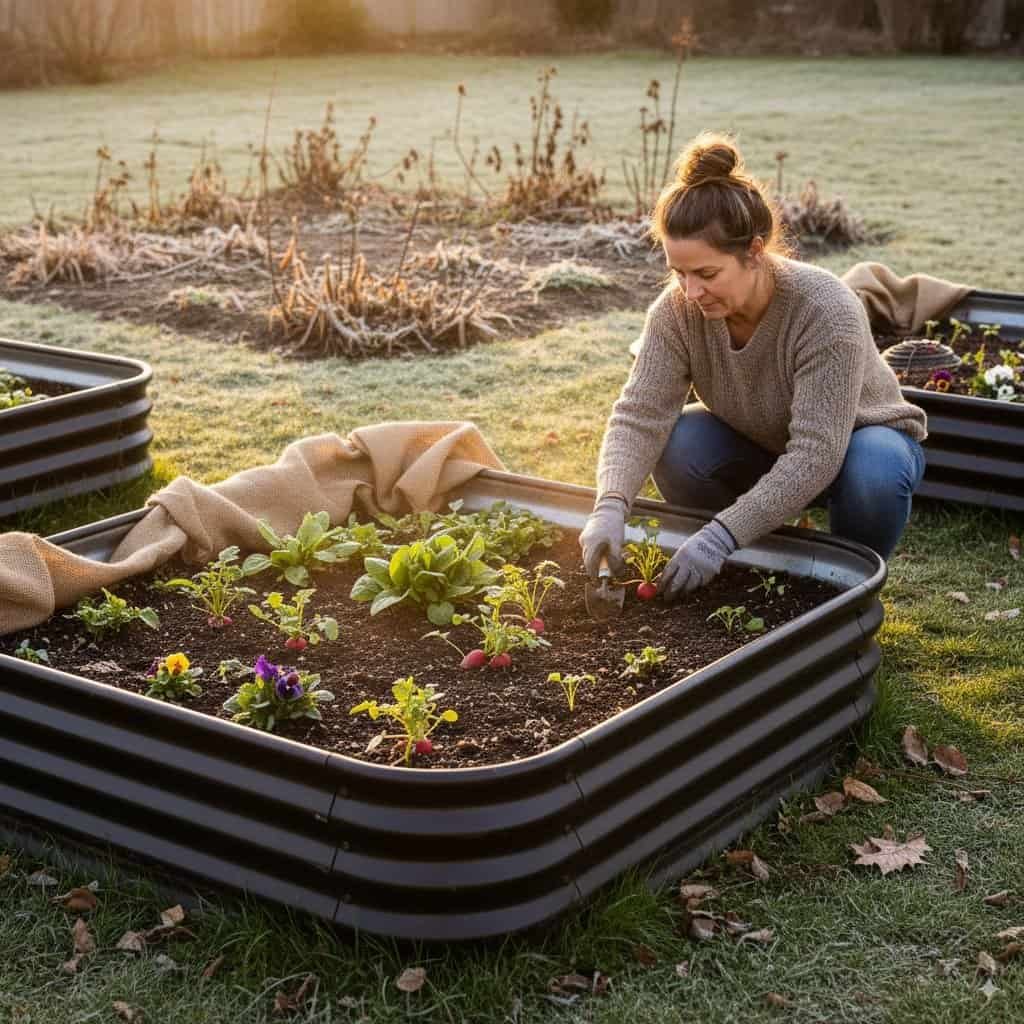
Raised beds warm up faster in the spring, so you can plant earlier in the spring. The elevated soil mass absorbs and retains heat more effectively than ground-level soil, creating a microclimate that extends both spring and fall growing seasons.
This temperature advantage proves particularly beneficial for flowering plants that benefit from longer growing periods. We often observe 2-4 weeks extension on both ends of the growing season, significantly increasing bloom production and garden enjoyment.
Comprehensive Advantages of Raised Flower Bed Systems
Physical and Ergonomic Benefits
Raised flower beds reduce physical strain associated with traditional gardening methods. The elevated growing surface eliminates or significantly reduces bending, kneeling, and ground-level work that can cause back strain and joint discomfort. This ergonomic advantage makes gardening more enjoyable and sustainable for gardeners of all ages.
Pest and Weed Control Advantages
Elevated gardening beds keep weeds and pests at bay. When planted intensively, raised beds help to keep weeds to a minimum. The contained growing environment creates barriers against many common garden pests while making weed identification and removal significantly easier.
Aesthetic and Design Flexibility
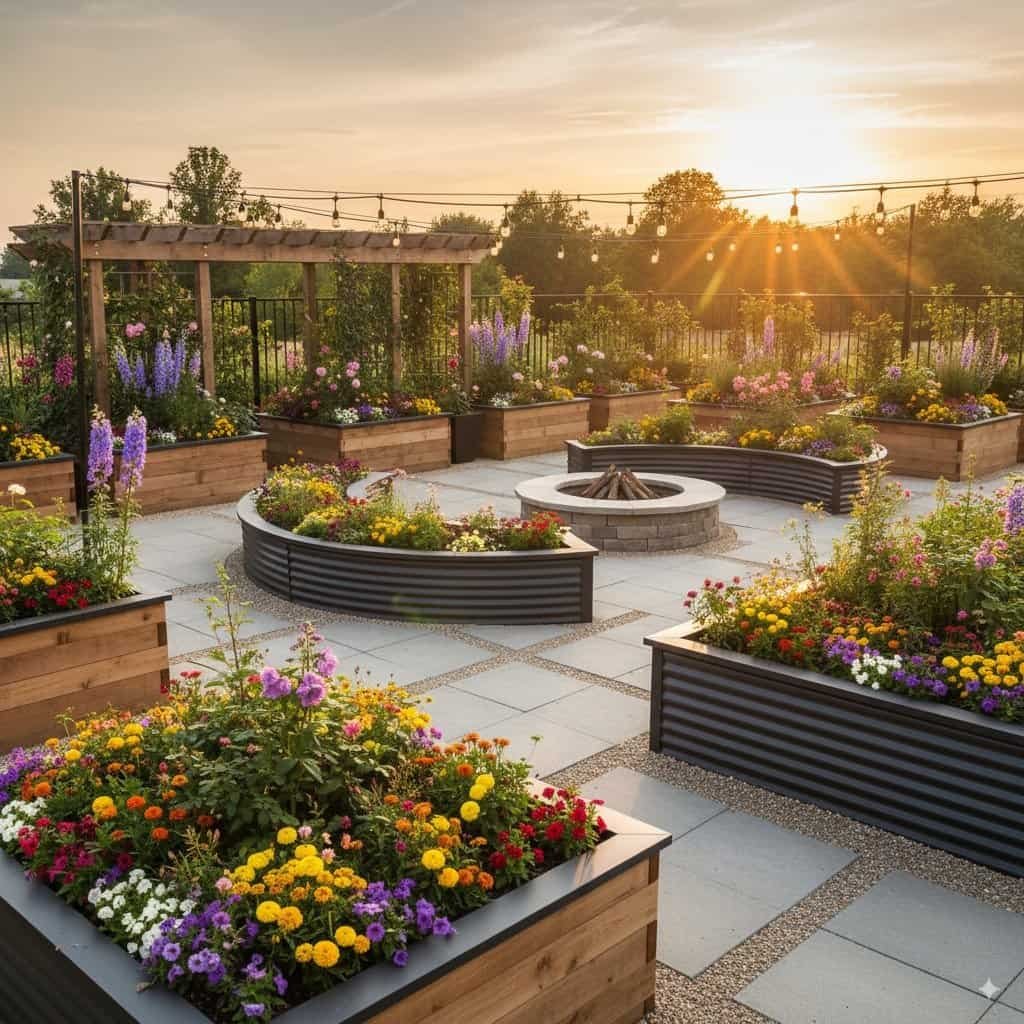
Raised flower beds provide architectural elements that enhance landscape design. The defined edges create clean, organized appearances while allowing creative arrangements and height variations throughout the garden space. We can incorporate these beds into formal garden designs or casual cottage-style landscapes with equal effectiveness.
Space Optimization and Intensive Planting
This gardening technique allows you to use every inch of your space, which means you can enjoy a plentiful supply of veggies, fruits, or flowers even in the first year. The controlled environment supports higher plant density than traditional gardens, maximizing bloom production within limited space.
Potential Drawbacks and Considerations
Initial Investment and Setup Costs
Raised flower beds require significant upfront investment compared to traditional ground-level gardening. Quality materials, soil, and construction can represent substantial initial expenses, particularly for larger garden installations. However, we consider this a long-term investment that provides years of enhanced growing capability.
Ongoing Maintenance Requirements
These systems require more frequent watering than ground-level gardens due to improved drainage and increased exposure to drying conditions. The elevated soil mass can dry out more quickly, particularly during hot summer months, necessitating consistent irrigation management.
Soil Replacement and Amendment Needs
Over time, raised bed soil requires periodic replacement or substantial amendment as organic matter decomposes and soil levels decrease. This ongoing requirement represents both cost and labor considerations that ground-level gardens typically don’t require.
Temperature Extremes
While faster spring warming provides advantages, raised beds can also experience more extreme temperature fluctuations. During severe winter conditions, the elevated soil mass may freeze more deeply than ground-level soil, potentially affecting perennial plant survival.
Limited Root Space for Large Plants
The contained environment restricts root development for large shrubs and trees. While perfect for most flowering plants, raised beds may not accommodate plants with extensive root systems or significant mature size requirements.
Accessible Gardening Solutions for All Abilities
Wheelchair-Accessible Design Principles
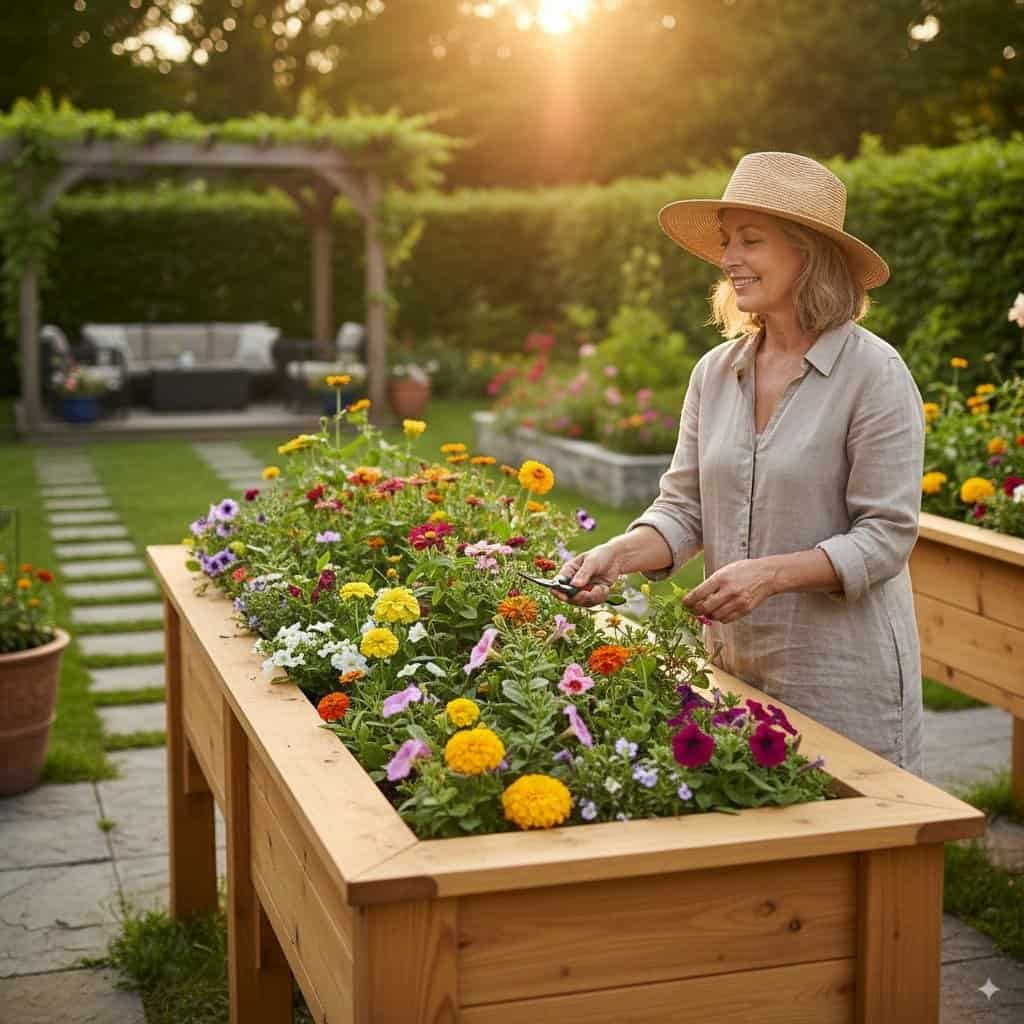
The height of the bed should be 24 inches for someone seated in a wheelchair, and 30 inches for an individual who will stand while gardening but has difficulty bending and reaching. These specifications ensure comfortable access for wheelchair users and individuals with mobility limitations.
ADA-compliant elevated raised beds have shallow planting shelves in front to allow plenty of room for wheelchairs to roll underneath. This design innovation enables gardeners to maintain close contact with their plants while remaining comfortably seated.
Universal Design Features
We recommend incorporating universal design principles that benefit all gardeners regardless of physical ability. Wide pathways, smooth surfaces, and strategic seating areas create welcoming environments for gardeners with varying mobility needs.
Automated irrigation systems reduce physical demands while ensuring consistent plant care. These systems prove particularly valuable for gardeners who may have difficulty with traditional watering methods or frequent garden visits.
Therapeutic Benefits for All Ages
Gardening is one of the more therapeutic things a person can do – emotionally, mentally and physically. Raised flower beds make these therapeutic benefits accessible to individuals who might otherwise be unable to participate in traditional gardening activities.
The elevated growing surface enables participation in all aspects of gardening, from planting and tending to harvesting and enjoying the results. This complete engagement provides mental health benefits, physical activity, and social interaction opportunities.
Cost Analysis and Investment Considerations
Budget-Friendly Options ($100-150 Range)
Entry-level raised flower bed kits using basic materials can be constructed within modest budgets. Simple wooden frames using dimensional lumber or basic metal kits provide functional growing spaces without premium features or materials.
These economical options typically require more frequent replacement but allow gardeners to experiment with raised bed gardening before committing to more substantial investments. We recommend starting small and expanding based on initial experiences and results.
Mid-Range Solutions ($150-250 Range)
This price range accommodates quality materials and construction that provide excellent longevity and performance. Cedar construction, composite materials, or galvanized metal options fall within this category, offering superior durability and attractive appearance.
Mid-range investments typically include better hardware, more sophisticated joinery, and often come with warranties that justify the additional expense. These options represent the sweet spot for most residential gardeners seeking long-term growing solutions.
Premium Systems ($250+ Range)
High-end raised bed systems incorporate advanced features such as integrated irrigation, modular design capabilities, and premium materials that provide decades of service life. These systems often include accessibility features, decorative elements, and professional-grade construction.
Premium options justify their cost through enhanced functionality, superior aesthetics, and minimal maintenance requirements. For serious gardeners or those requiring accessibility features, these investments provide excellent long-term value.
Plant Selection and Growing Strategies
Optimal Flowering Plants for Raised Beds
The controlled environment of raised flower beds supports a wide variety of flowering plants that thrive in well-draining, nutrient-rich soil. We recommend focusing on plants that benefit from the enhanced growing conditions these systems provide.
Annual flowers such as marigolds, petunias, and impatiens perform exceptionally well in raised beds, producing abundant blooms throughout the growing season. The consistent soil conditions and improved drainage support vigorous growth and extended flowering periods.
Perennial flowering plants including daylilies, coneflowers, and ornamental grasses establish quickly in raised bed environments. Raised beds can help keep soil warmer for longer, thereby extending your garden’s season, allowing these plants to establish stronger root systems before winter dormancy.
Soil Preparation and Management
Creating optimal soil mixtures requires balancing drainage, nutrition, and water retention capabilities. We recommend combining equal parts quality compost, coarse vermiculite or perlite, and peat moss or coconut coir to create a growing medium that supports most flowering plants.
Soil pH management becomes more critical in contained growing systems. Regular testing and amendment ensure optimal nutrient availability for different plant species. Most flowering plants thrive in slightly acidic to neutral pH ranges (6.0-7.0).
Seasonal Care and Maintenance
Spring preparation involves soil assessment, amendment addition, and early planting of cool-season flowers. The faster soil warming in raised beds allows earlier planting dates and extended growing seasons.
Summer maintenance focuses on consistent watering, deadheading spent blooms, and monitoring for pest or disease issues. The contained environment makes these tasks more manageable and effective than traditional garden maintenance.
Fall preparation includes cleanup, soil amendment, and preparation for winter protection if needed. The elevated soil mass may require additional protection in harsh winter climates to prevent deep freezing and root damage.
Installation and Setup Guidelines
Site Selection and Preparation
Choosing appropriate locations for raised flower beds requires considering sunlight exposure, drainage, and accessibility factors. Most flowering plants require 6-8 hours of direct sunlight daily, making south-facing locations ideal for maximum bloom production.
Drainage assessment proves crucial even for raised beds, as standing water around the base can create problems. Slight slopes or drainage improvements may be necessary in areas with poor natural drainage.
Construction Best Practices
Proper foundation preparation ensures long-term stability and prevents settling or shifting. We recommend excavating 2-3 inches of soil and adding a level base of gravel or sand to provide stable foundation support.
Corner connections require robust hardware that can withstand soil pressure and weather exposure. Galvanized brackets, screws, and reinforcing hardware prevent joint failure and extend structure life.
First-Year Establishment
Initial soil settling requires monitoring and potential soil addition during the first growing season. Plan for 10-15% soil volume loss as materials compact and organic matter decomposes.
Plant establishment benefits from gradual introduction to the raised bed environment. We recommend starting with smaller plants that adapt more easily to the contained growing conditions.
Advanced Design Integration
Landscape Architecture Applications
Raised flower beds serve as significant design elements that can define spaces, create focal points, and establish garden structure. Professional landscape integration considers height relationships, material harmony, and seasonal interest patterns.
Tiered arrangements create dramatic visual effects while maximizing growing space within limited areas. Strategic placement can also provide privacy screening, noise reduction, and microclimate modification.
Seasonal Color Planning
Year-round interest requires careful plant selection and succession planting strategies. Spring bulbs, summer annuals, fall perennials, and winter structural elements create continuous garden appeal.
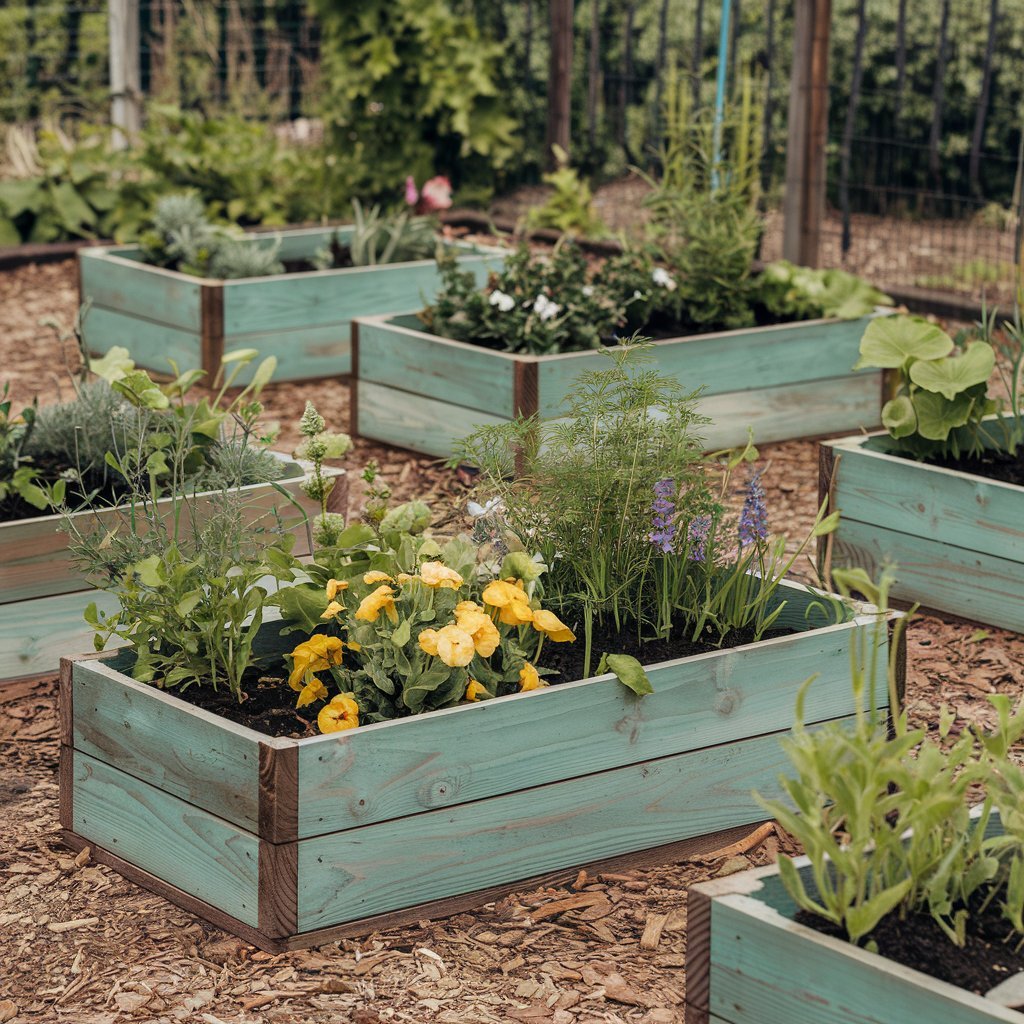
Color coordination becomes more important in raised bed systems due to their contained nature and prominent positioning. We recommend developing color schemes that complement existing landscape elements and architectural features.
Future Trends and Innovations
Smart Garden Technology Integration
Modern raised bed systems increasingly incorporate automated irrigation, soil monitoring sensors, and smartphone-controlled growing systems. These technologies reduce maintenance requirements while optimizing growing conditions.
Weather monitoring and predictive watering systems prevent both drought stress and overwatering conditions that commonly affect traditional gardening methods. Integration with home automation systems allows remote monitoring and control.
Sustainable Material Development
Recycled and eco-friendly construction materials continue developing, offering environmentally conscious alternatives to traditional building materials. Recycled plastic lumber, bamboo composites, and reclaimed materials provide sustainable construction options.
Modular design systems allow expansion, reconfiguration, and material reuse as garden needs change over time. These flexible systems reduce waste and provide long-term adaptability.
Conclusion: Elevating Your Gardening Experience
Raised flower beds represent a sophisticated approach to modern gardening that addresses common challenges while creating beautiful, productive growing spaces. The initial investment in quality construction and materials provides years of enhanced gardening enjoyment and success.
Whether seeking solutions for poor soil conditions, physical accessibility needs, or simply wanting to create more attractive and manageable garden spaces, raised flower beds offer proven benefits that justify their popularity among gardeners of all experience levels.
The combination of improved growing conditions, reduced maintenance requirements, and enhanced aesthetic appeal makes raised flower beds an excellent choice for anyone looking to elevate their gardening experience. With proper planning, construction, and care, these systems provide decades of beautiful blooms and gardening satisfaction.