
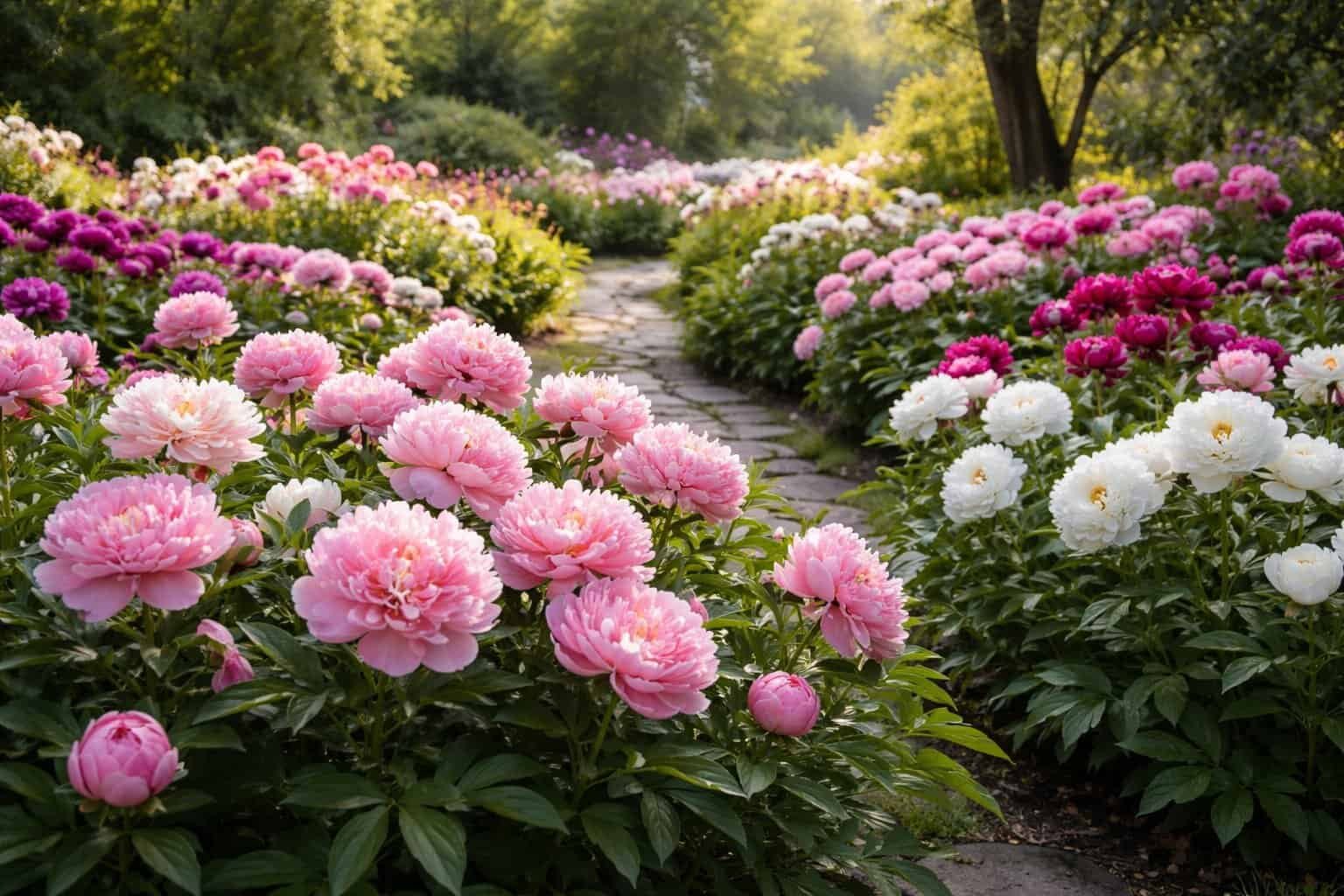
Peony Growing Guide: How to Grow Peonies for Spectacular Blooms
Peonies are one of the most long-lived and rewarding flowering plants you can grow. Known for their large, romantic blooms and incredible fragrance, peonies can thrive for 50 years or more when planted correctly.
They are perfect for:
• Backyard borders
• Raised beds
• Cottage gardens
• Cut flower gardens
• Low-maintenance perennial beds
Once established, peonies require very little care, making them ideal for gardeners who want maximum impact with minimal effort.
What Peonies Look Like
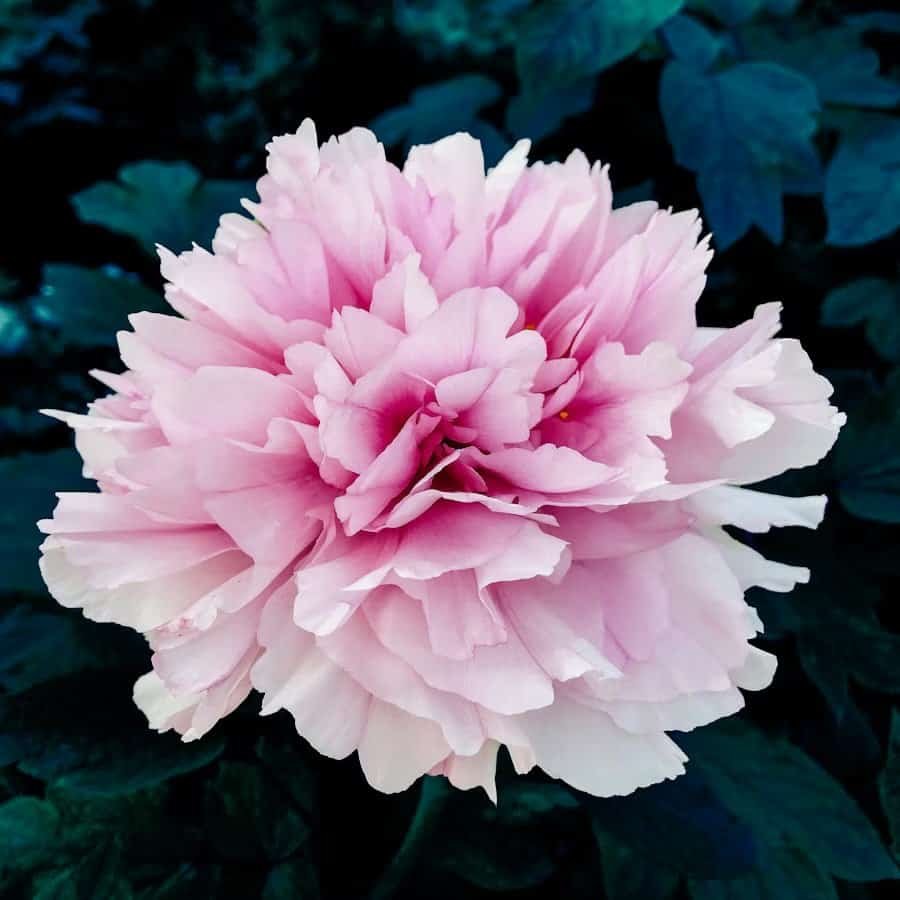
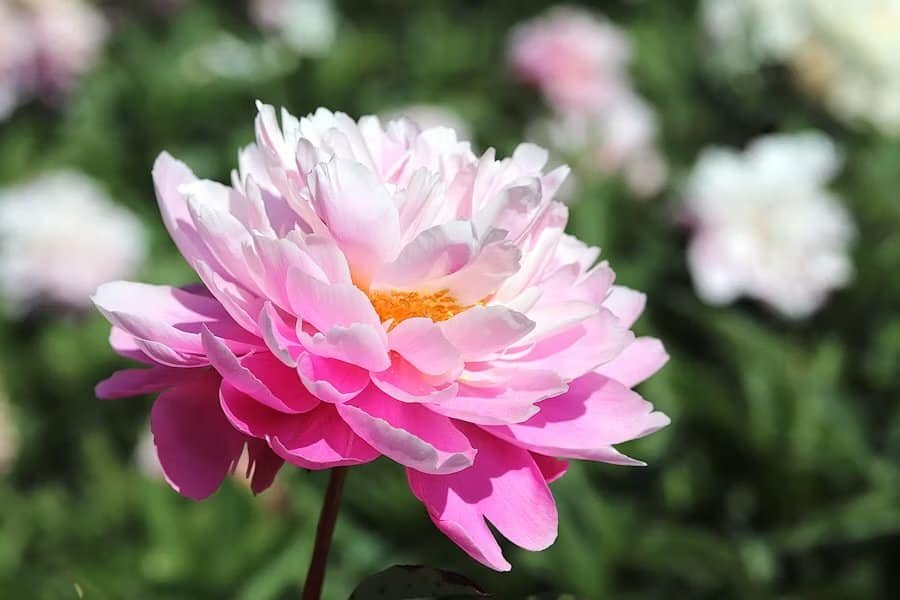
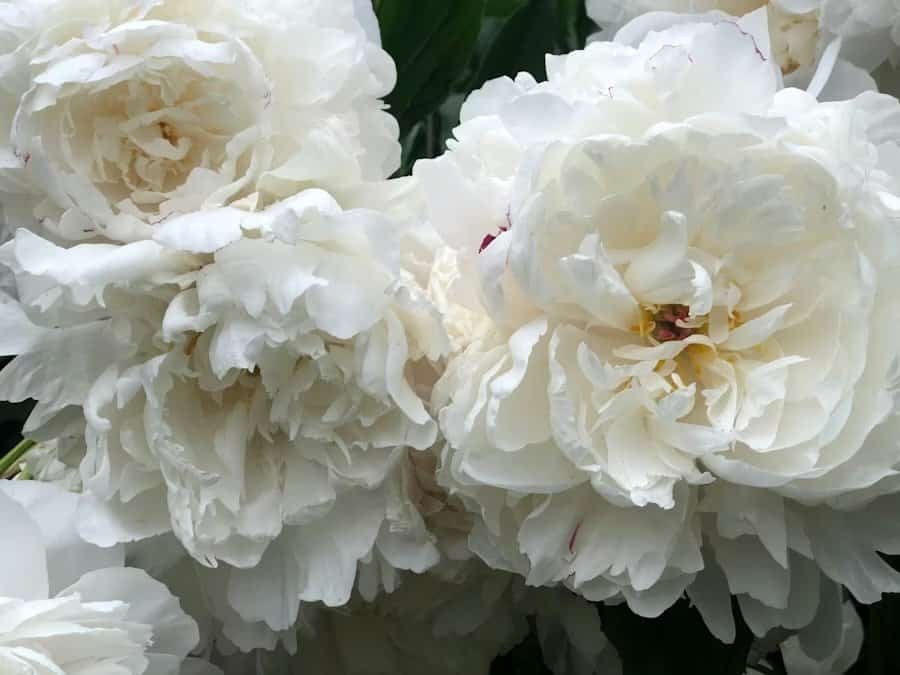
Peonies produce lush green foliage in spring followed by huge, layered flowers that can be single, semi-double, or fully double. Even after flowering, the foliage remains attractive throughout summer before dying back in fall.
Light Requirements
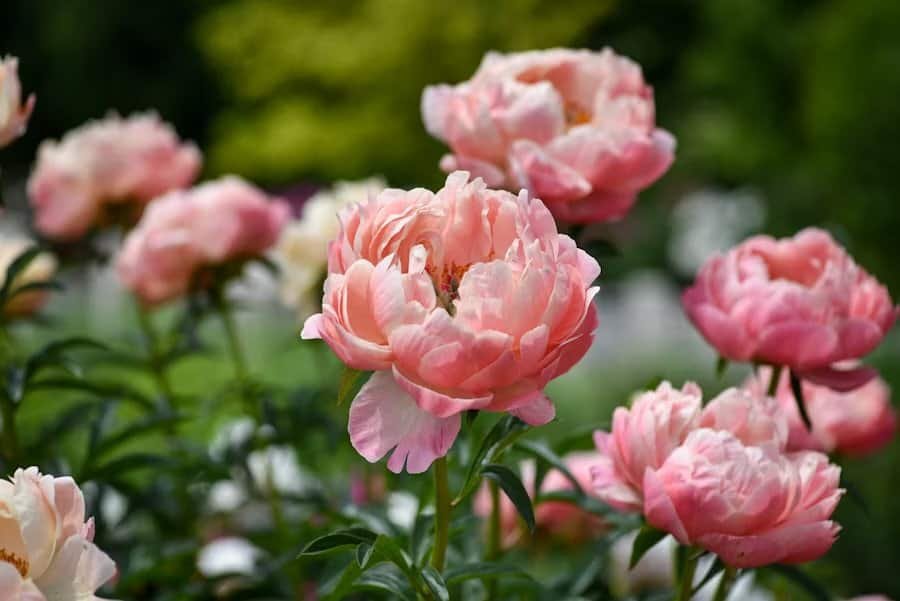
Best: Full sun (6–8 hours per day) Tolerates: Light afternoon shade in hotter climates
Too much shade results in fewer flowers and weaker stems.
Soil Requirements
Peonies grow best in: • Well-draining soil • Rich, fertile soil with organic matter • Neutral to slightly alkaline pH
Avoid: Heavy, waterlogged soil. If you have clay soil, improve drainage with compost and grit before planting.
When to Plant Peonies
United States
• Best time: Fall (September–October)
• Second option: Early spring before active growth
Fall planting allows roots to establish before winter and leads to stronger blooming.
UK Gardening Note
• Best time: October–November
• Spring planting is possible but may delay flowering by a year
How to Plant Peonies (Step-by-Step)
1. Choose a sunny, well-drained location 2. Dig a hole about 12–18 inches deep and wide 3. Mix compost into the soil 4. Position the peony so the eyes (buds) are: • US: 1–2 inches below soil surface • UK: No deeper than 5 cm below soil surface 5. Backfill gently and firm the soil 6. Water thoroughly after planting
⚠️ Planting too deep is the #1 reason peonies don’t bloom
Watering

• Water deeply once a week during dry spells • Newly planted peonies need consistent moisture • Once established, peonies are moderately drought tolerant
Avoid overhead watering to reduce fungal problems.
Fertilizing
Peonies are not heavy feeders.
Best approach: • Apply a balanced fertilizer or compost in early spring • Avoid high-nitrogen fertilizers (too much leaf growth, fewer flowers)
Supporting Heavy Blooms
Large peony flowers can become top-heavy.
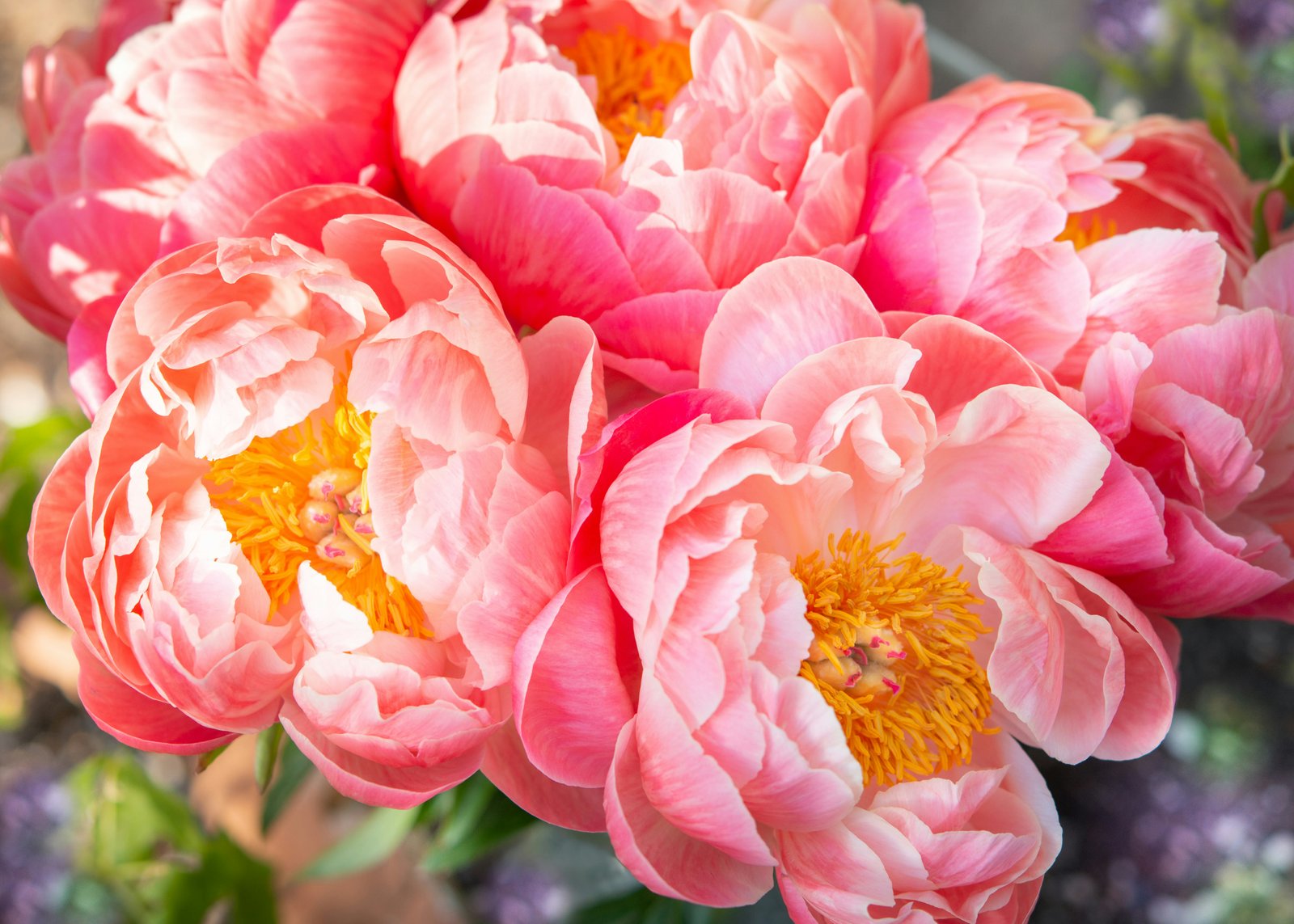
Use:
• Peony rings
• Bamboo stakes
• Tomato cages
Install supports early in spring before plants grow tall.
Deadheading & Pruning
Deadheading
• Remove spent flowers after blooming • Prevents energy waste and keeps plants tidy
Fall Pruning
After first frost, cut stems down to ground level
• Dispose of foliage to prevent disease overwintering
Winter Care
Peonies need winter cold to bloom. • US: Mulch lightly in colder zones, remove in early spring • UK: Usually no protection needed
Do not cover crowns too heavily.
Propogation
Peonies are propagated by division, best done in fall. • Lift the plant carefully • Divide so each section has 3–5 eyes • Replant immediately
Common Problems & Solutions
Lots of leaves, no flowers • Planted too deep • Too much shade
Flopping stems • Add plant support early
Gray mold (Botrytis) • Improve air circulation • Remove infected material promptly
Companion Plants
Peonies pair beautifully with:
• Roses
• Lavender
• Salvia
• Iris
• Spring bulbs (tulips, daffodils)

These combinations extend seasonal interest and improve garden structure.
Peonies in Raised Beds & Containers
Peonies grow well in raised beds if: • Soil depth is at least 18 inches • Drainage is excellent
Large containers work best for compact or patio varieties.

Final Thoughts
Peonies are an investment plant. They may take a year or two to reach full flowering, but once settled, they reward you with decades of stunning blooms and very little maintenance. This being said, they are ideal for gardeners who struggle with everyday care of plants and because they are eventually low maintenance, they are a top choice in accessible gardens.
For gardeners who want beauty, fragrance, and longevity — peonies are hard to beat.
Buy Peony Live Roots/Bulbs on Amazon