Cultivating Joy from Your Chair: A Complete Guide to Wheelchair Gardening
Gardening isn’t just a hobby; it’s a source of joy, purpose, and profound connection. Yet, for those of us navigating life from a wheelchair, the traditional garden—with its sprawling beds, narrow paths, and ground-level tasks—can. feel like a beautiful but inaccessible dream.
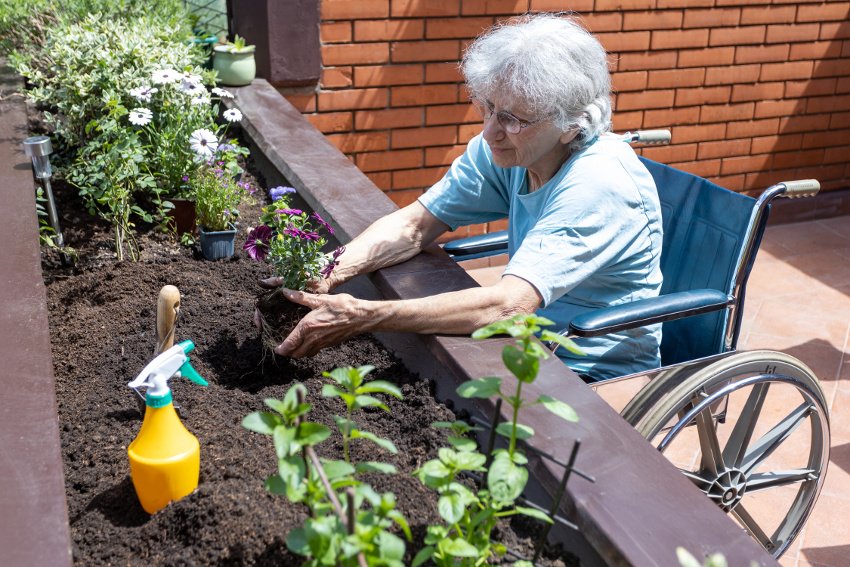
But what if the dream didn’t have to change, just the approach? Welcome to wheelchair gardening, where ingenuity and thoughtful design transform your outdoor space into a sanctuary you can tend with ease, reaping both beautiful blooms and immense therapeutic benefits. Your stylish backyard can still be your sanctuary, a place of color, life, and peace, no matter your mobility.
This guide is dedicated to empowering you with practical strategies for accessible garden design, proving that with the right adaptations, you can cultivate your own slice of nature’s paradise.
Section 1: The Foundation – Designing Your Accessible Garden Layout
The key to successful wheelchair gardening is creating a space that works for you, not against you. It starts with a plan that prioritizes smooth navigation and reachable planting.
1.1 Paths are Your Highways
Your garden paths are not just walkways; they are your primary corridors for access. They must be wide, firm, and smooth.

Width: Aim for a minimum of 36 inches (3 feet) wide, with 48-60 inches being ideal for easy 360-degree turns. This allows you to maneuver comfortably alongside raised beds.
Surface: Avoid loose materials like gravel, bark, or dirt that can be difficult to wheel over and may cause ruts. Opt for smooth, solid surfaces such as poured concrete, pavers set tightly in sand, or firm compacted stone dust. Ensure the surface is level and well-drained to prevent puddles.
Slope: Keep paths as level as possible. If a gentle slope is necessary for drainage, ensure it is a very gradual incline (a maximum 1:12 ratio is often recommended for independent wheelchair use).
1.2 The Heart of the Garden: Raised Beds & Vertical Systems
This is where the magic happens. By bringing the garden up to you, you eliminate bending and straining.
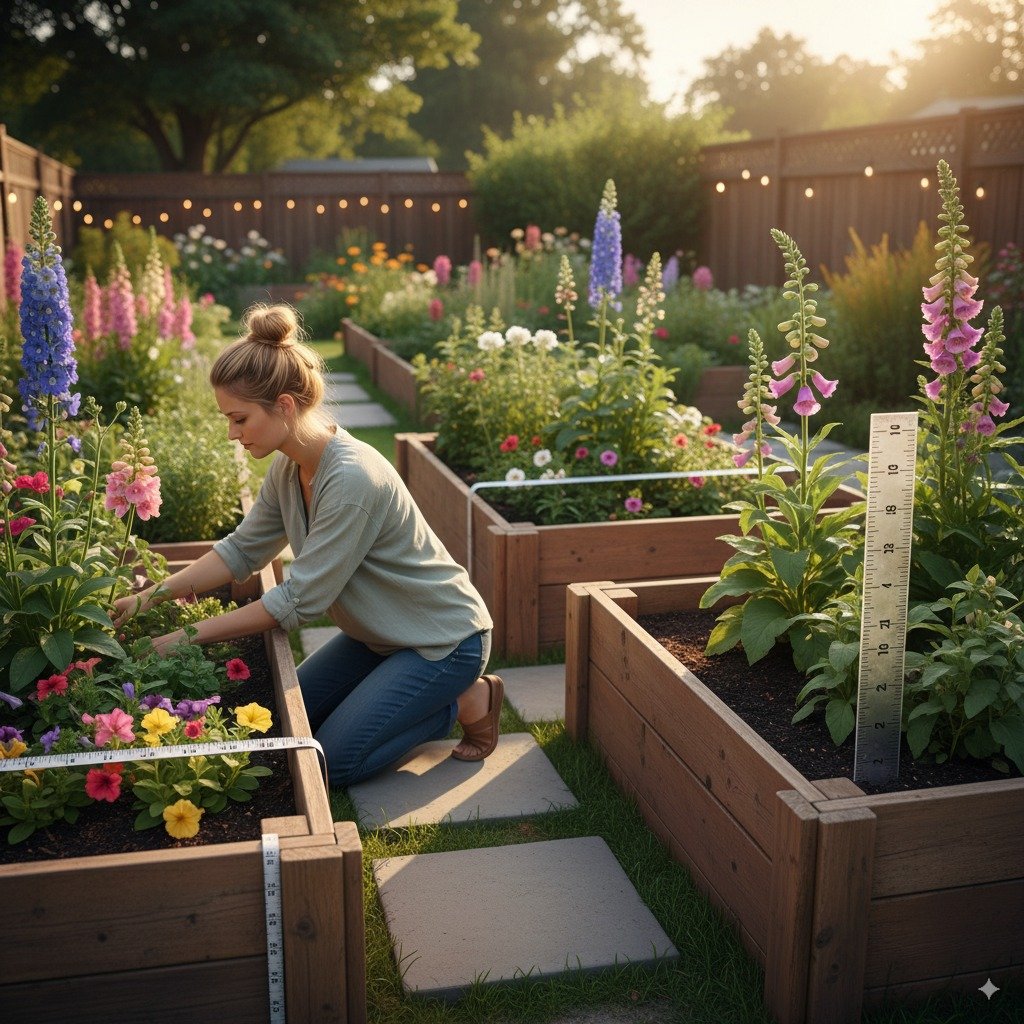
Height: Build beds with a bottomless frame that allows your legs and feet to slide underneath. The ideal tabletop height is 24-30 inches from the ground. The soil surface should be within easy reach, roughly at elbow level when seated.
Width & Depth: Keep beds a maximum of 24-30 inches deep (from front to back) so you can reach the center from one side. For access from both sides, you can go up to 4-5 feet deep. Length is flexible.
Material: Use rot-resistant materials like cedar, redwood, or composite lumber. Ensure the frame is sturdy enough to bear weight if you lean on it.
Raised Garden Beds: These are the cornerstone of adaptive gardening. For optimal accessibility:
“Trug-Style” Beds: Consider elevated beds on legs—like large, deep tables—for the ultimate in no-bend gardening. These are perfect for herbs, salads, and flowers.
Vertical Gardening: Don’t just think horizontally—grow up! This maximizes space and brings plants to eye level.
Wall Planters & Pocket Gardens: Attach fabric or plastic pocket planters, trellis systems with hanging pots, or even repurposed pallets to fences or walls.
Tiered Plant Stands: Use multi-level rolling carts or stationary shelves to create a cascading display of potted plants.
Climbing Structures: Install arches, obelisks, or trellises within your raised beds for peas, beans, cucumbers, and climbing flowers like clematis.
1.3 Smart Containers & Movable Gardens
Containers offer incredible flexibility—you can create a garden on a patio, balcony, or anywhere with a solid surface.
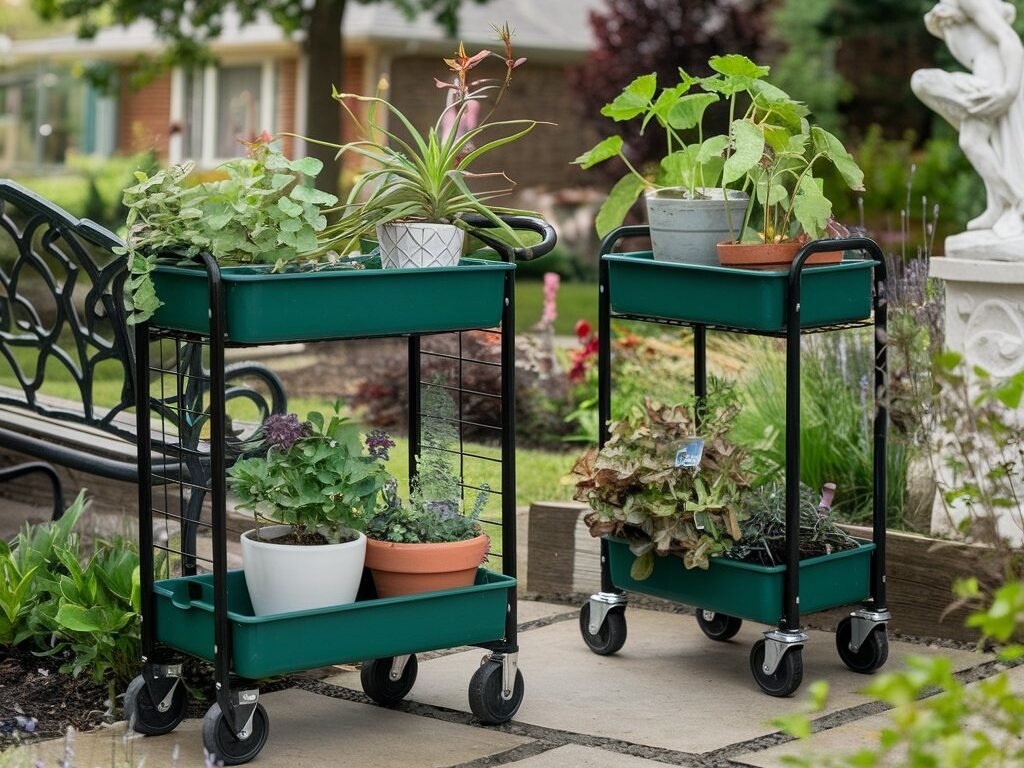
Weight & Mobility: Use lightweight plastic, fiberglass, or resin pots. Place them on rolling plant caddies or trolleys. This allows you to move plants for sun, rearrange your display, or bring them closer for tending.
Self-Watering Pots: These are a game-changer. They have a built-in reservoir that waters plants from below, reducing the frequency of watering trips and ensuring consistent moisture.
Hanging Baskets: Install them from hooks on a pergola or a freestanding shepherd’s hook at a height you can easily reach to water and deadhead.
Section 2: The Tools of the Trade – Ergonomic & Adaptive Gardening Gear
The right tools reduce effort and strain, making gardening a pleasure, not a chore.
Long-Reach Tools: Look for tools with extended handles (often called “stand-up” tools) that allow you to weed, prune, or rake from a seated position without leaning forward excessively.
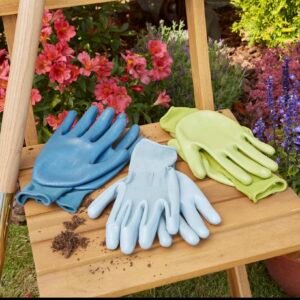
Ergonomic Hand Tools: Choose tools with soft, oversized, non-slip grips (often in bright colors for easy spotting) that are gentle on arthritic hands or those with reduced grip strength. Brands specializing in adaptive tools often feature tools that can be used with a pistol grip or have a rotating handle.
Lightweight Hoses & Watering Solutions: A heavy, kinking hose is a major obstacle. Invest in a lightweight, expandable hose or a soaker hose/drip irrigation system on a timer. For pots and raised beds, a long-spouted watering can is perfect for precision.
Comfort & Organization: Keep a small, wheeled garden cart or a sturdy apron with pockets to carry your tools and harvest with you as you move. A shaded, comfortable seat (your wheelchair!) with good back support is, of course, your most important “tool.”
Section 3: Planting for Success – Low-Maintenance & Sensory Choices

Choose plants that reward you with beauty or food without demanding constant, difficult upkeep.
Prioritize Perennials: Plants that come back year after year, like hostas, daylilies, sedum, and ornamental grasses, reduce the need for annual replanting.
Go for Dwarf Varieties: Dwarf shrubs and small trees are easier to manage and prune from a seated position.
Embrace Sensory Gardening: Curate plants that delight the senses beyond sight.
Touch: Lamb’s ear (Stachys byzantina), velvety textures.
Smell: Lavender, rosemary, sweet peas, garden phlox.
Sound: Ornamental grasses (like fountain grass) that rustle in the breeze, or plants that attract hummingbirds and bees.
Taste: Easy-to-grow, high-yield veggies like cherry tomatoes, lettuce, kale, and herbs (basil, mint, chives).
Section 4: The Unseen Harvest – Mental Wellness in the Accessible Garden
This may be the most important part of your gardening journey. The mental health benefits of therapeutic horticulture are well-documented and can be profoundly impactful, especially when facing the challenges of a disability that can sometimes lead to feelings of isolation or depression.
Purpose & Achievement: Gardening provides a daily and seasonal rhythm of purposeful activity. Planting a seed, nurturing it, and witnessing growth creates a powerful sense of accomplishment and agency. In a world that often focuses on limitation, your garden is a testament to what you can create and control.
Stress Reduction & Mindfulness: The simple, repetitive acts of weeding, watering, or deadheading become a form of moving meditation. They pull your focus into the present moment—the feel of the soil, the scent of the leaves, the sound of birds—quieting anxious or depressive thoughts. This mindful gardening practice lowers cortisol levels and promotes relaxation.
Connection & Vitamin N (Nature): Humans have an innate biophilic need to connect with nature. Your accessible garden ensures you can get your daily dose of “Vitamin N,” which has been shown to reduce symptoms of depression and anxiety, improve mood, and boost overall psychological well-being. It’s a direct, personal connection to the life cycle.
A Space for Social Joy: An accessible garden becomes a beautiful, welcoming space to share. It’s a conversation starter, a place to host a friend for tea, or a peaceful spot to sit with family. This combats social isolation and fosters community, which is crucial for mental health.
Conclusion: Your Stylish Backyard Awaits
Creating a wheelchair-accessible garden is not about giving something up; it’s about claiming your right to joy, creativity, and wellness on your own terms. It’s about adaptive joy and inclusive design.
Start small. Perhaps with one rolling cart of herbs or a single raised bed for your favorite flowers. Let your garden evolve with you. The goal is not perfection, but engagement—the gentle, daily act of tending to life, which in turn tends to you.
At MyStylishBackyard.com, we believe every backyard has the potential to be a haven of style and serenity, tailored uniquely to its keeper. Your garden is waiting for you, not as a challenge, but as a chair-side companion in growth and beauty. Now, roll up your sleeves (metaphorically, of course), and let’s get growing.
Ready to start your accessible garden journey? Share your plans or ask questions in the comments below!
Tags: wheelchair gardening, accessible garden design, adaptive gardening, therapeutic horticulture, raised garden beds, ergonomic garden tools, sensory garden, gardening for seniors, mental wellness, inclusive gardening
Disclosure: This post may contain affiliate links. If you click through and make a purchase, I may earn a small commission at no extra cost to you. As an Amazon Associate, I earn from qualifying purchases. Thank you for supporting My Stylish Backyard.