10 Gardening Jobs I’ve Stopped Doing (and What I Do Instead)
Gardening can be wonderfully therapeutic — but when you live with arthritis, chronic pain, fatigue, or limited mobility, it can also feel overwhelming. There’s often an unspoken pressure to garden “properly”: dig everything over, weed constantly, keep the lawn immaculate, and push through discomfort.
You might find, though, that your body has other ideas.
The good news? You don’t have to do everything the traditional way to be a real gardener. Over time, many people discover that adapting how they garden makes all the difference. Your garden doesn’t judge you. It doesn’t mind if things are done slowly, differently, or not at all.
Here are ten gardening jobs many people quietly stop doing — and what they do instead.
1. Digging Everything Over
Digging used to be seen as essential, but it can be incredibly hard on sore hands, knees, and backs.
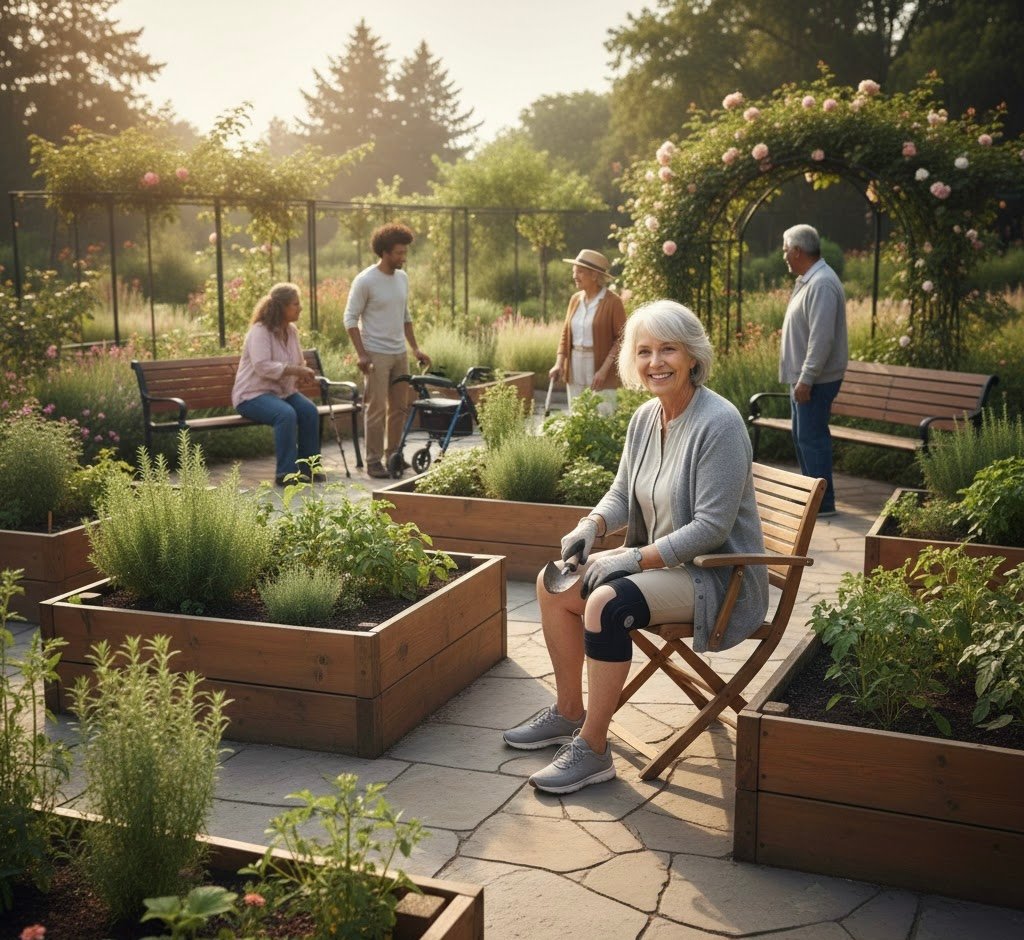
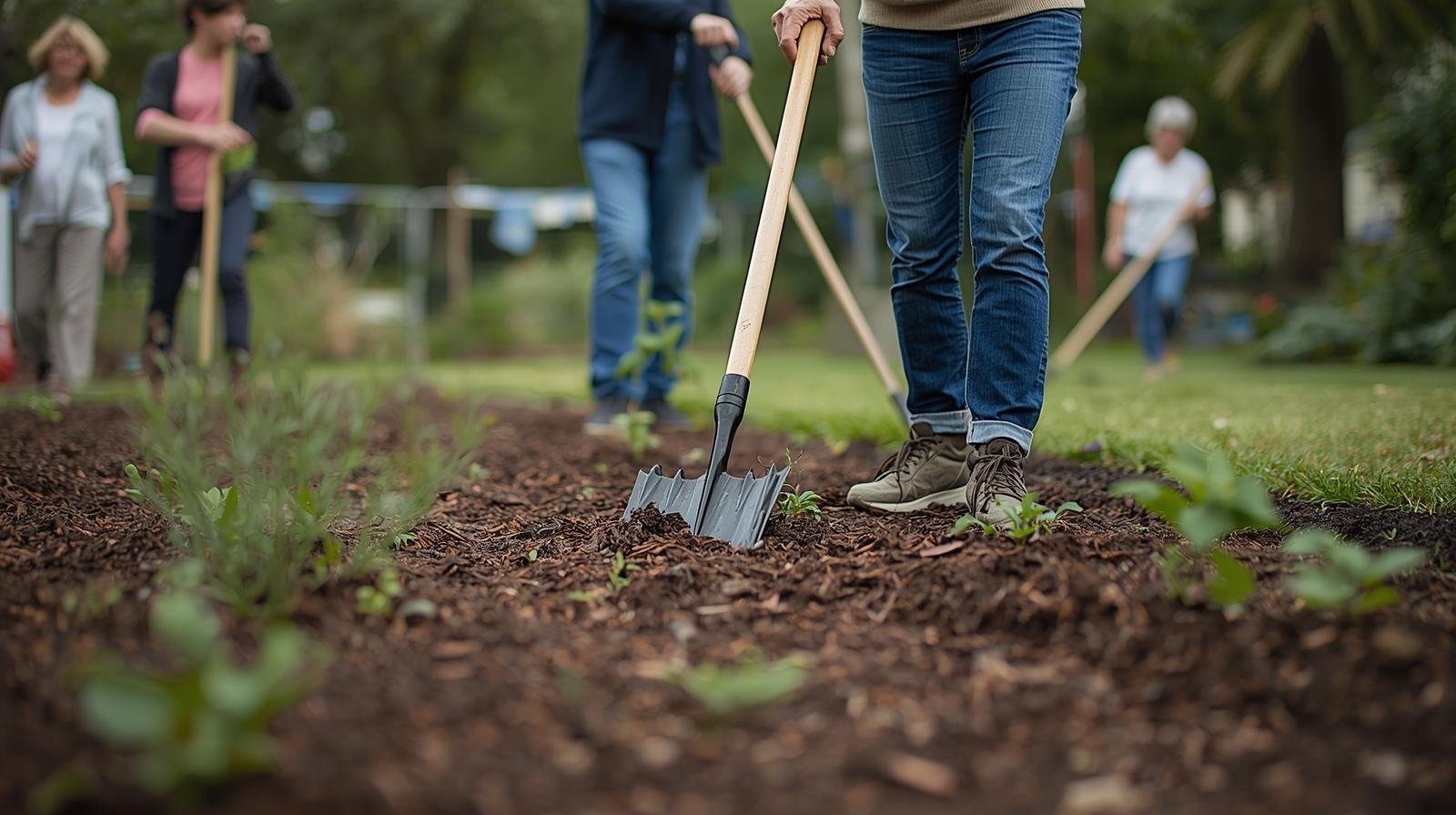
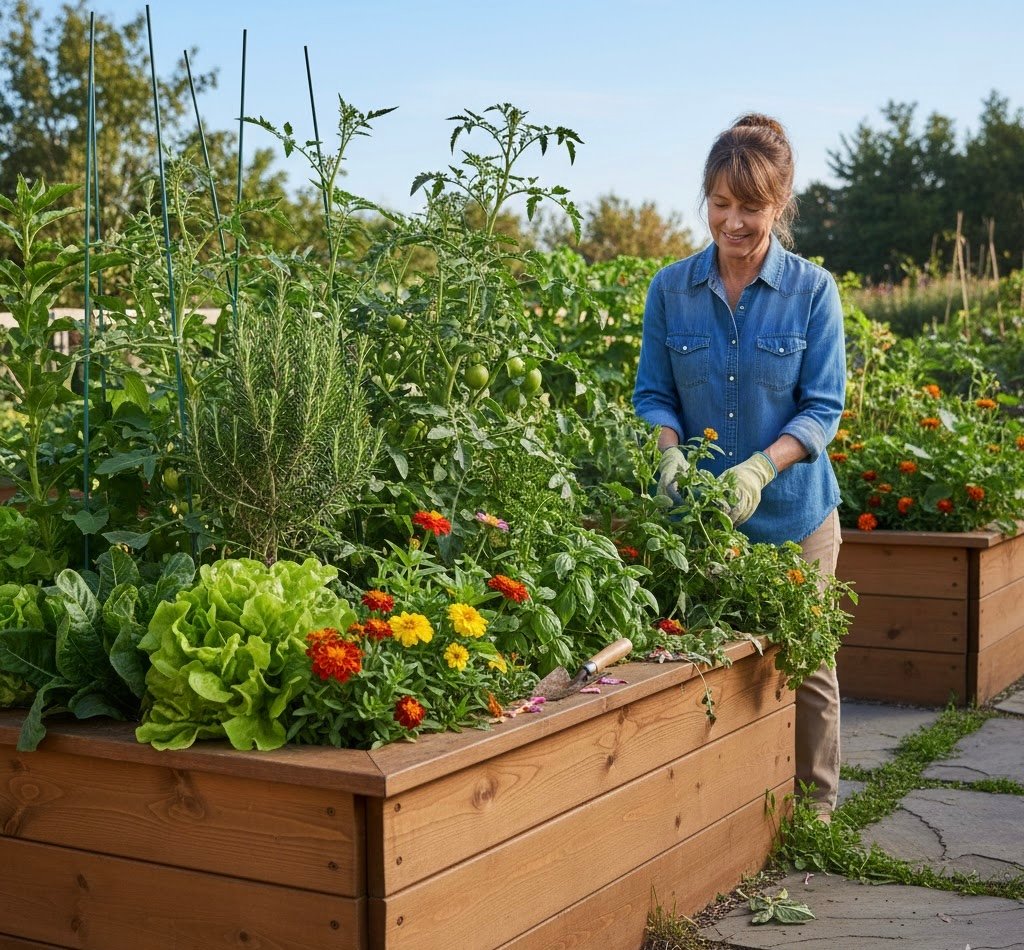
You might find it easier to switch to raised beds, containers, or a no-dig approach. Raised beds bring the soil up to you, reducing bending and kneeling. No-dig gardening uses compost or mulch laid on top of the soil, allowing nature to improve the ground without all the effort.
The soil still gets better — you just don’t have to suffer for it.
2. Weeding on Hands and Knees
Constant weeding at ground level can quickly drain your energy and aggravate joint pain.
Many gardeners choose to prevent weeds rather than fight them. Mulch, bark chips, weed-suppressing fabric, or ground-cover plants can dramatically reduce how many weeds appear in the first place. When weeds do pop up, long-handled tools allow you to tackle them while standing or sitting like the easy to use weed remover .
And if a few weeds remain? That’s perfectly fine. A garden doesn’t have to be spotless to be successful.
3. Carrying Heavy Watering Cans
Lifting and carrying full watering cans can be painful, especially for hands, wrists, and shoulders.
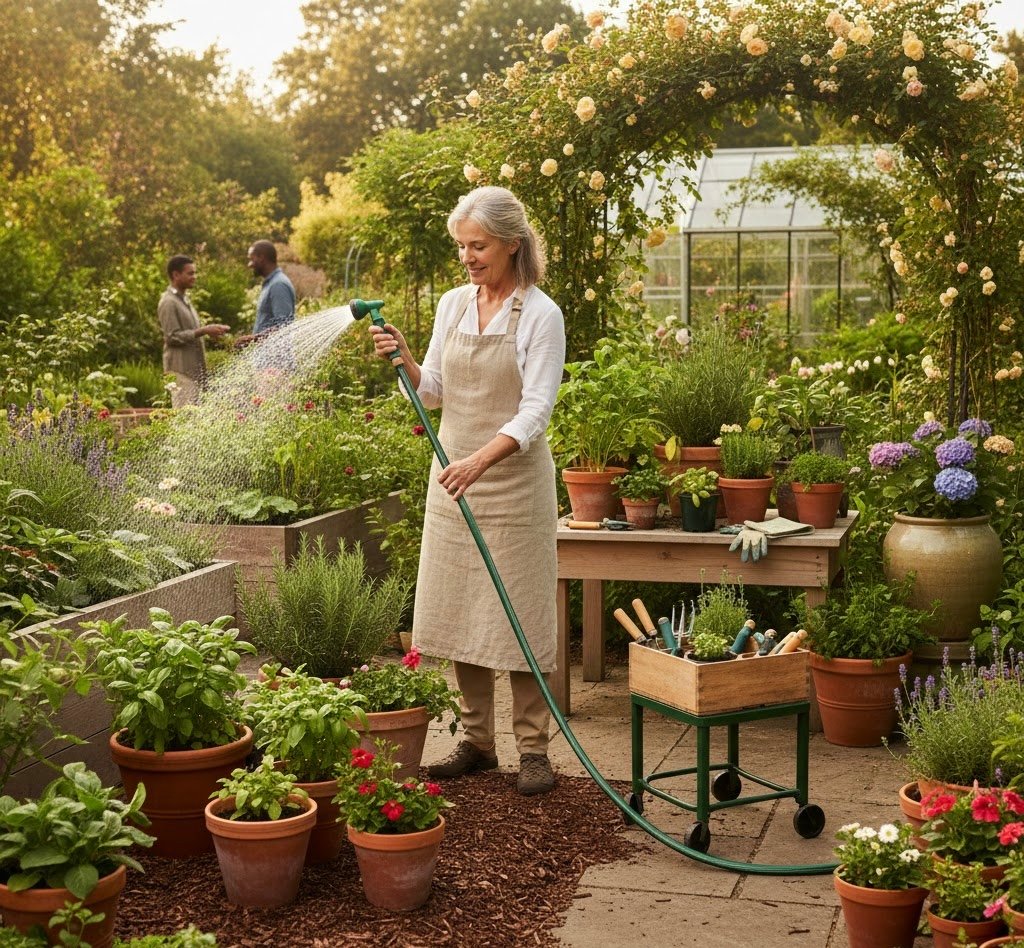
You might prefer using a lightweight hose, drip irrigation, or self-watering containers instead. These options reduce lifting and allow plants to receive water steadily with very little effort from you.
Watering should feel manageable — not like strength training.
4. Lifting Bags of Soil and Compost
Heavy bags of compost and soil are a common cause of flare-ups.
Instead of carrying, many people use garden carts, trolleys, or wheelbarrows to move materials around. Choosing smaller bags or having soil delivered closer to where it’s needed can also help.
Gardening is not a test of how much you can lift. There’s no prize for sore joints.
5. Kneeling Directly on the Ground
Kneeling can be uncomfortable or simply impossible for many people.
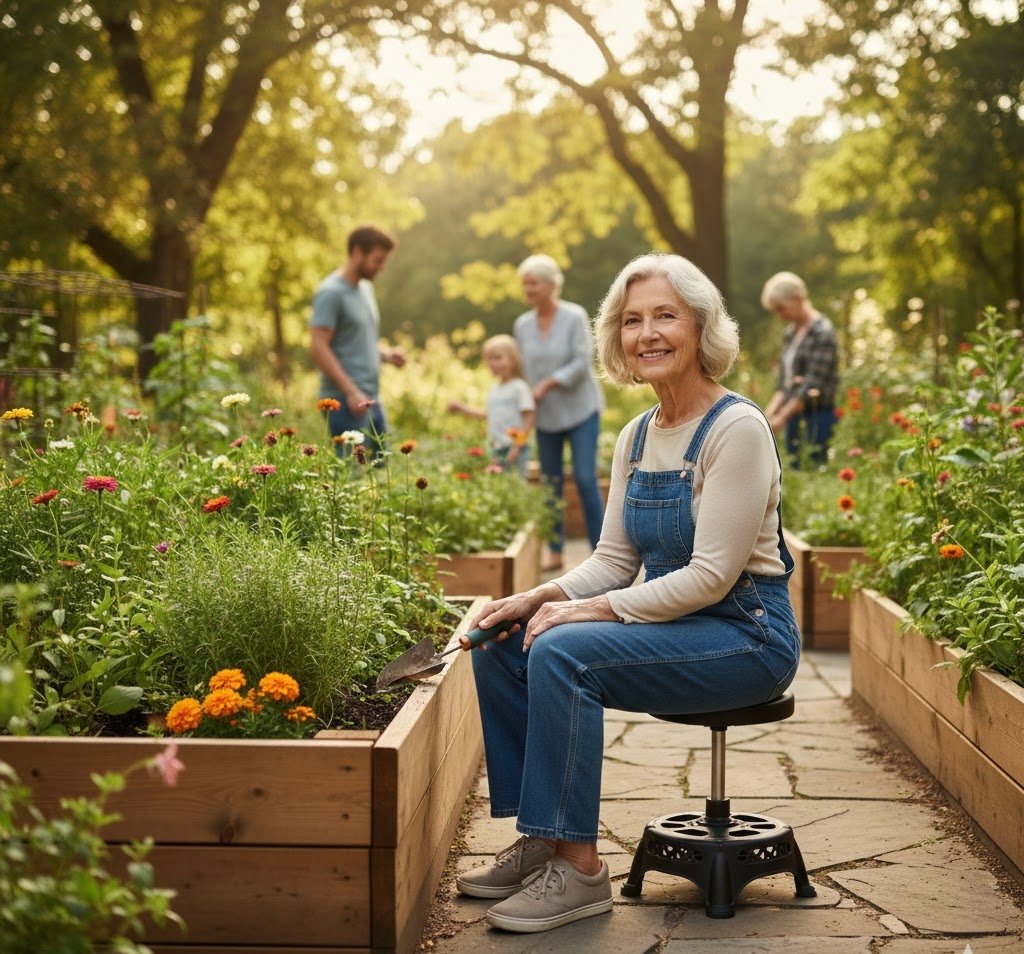
Garden stools, benches, kneeling pads, or even an upside-down bucket can provide much-needed support. Sitting while you work can be just as effective — and far kinder to your body.
Taking frequent breaks to stand, stretch, and rest is not laziness. It’s good gardening sense.
6. Reaching and Stretching Awkwardly
Reaching high branches or stretching into uncomfortable positions can strain joints quickly.
Long-handled pruners, loppers, and lightweight tools allow you to work from a safer, more comfortable position. You might also choose plants that stay compact and don’t require frequent pruning.
And some jobs? They can wait, or be done in small stages over time.
7. Keeping a Perfect Lawn
Lawns require regular mowing, edging, and maintenance — all of which can be tiring.
Many gardeners replace parts of their lawn with raised beds, gravel, paving, or low-maintenance planting. Ground-cover plants or container gardens can look just as beautiful with far less effort.
Less lawn often means more enjoyment.
8. Turning a Traditional Compost Heap
Turning compost with a fork can be hard work.
Compost tumblers allow you to mix compost by rotating the bin instead of lifting and digging. Some people also choose smaller compost systems or focus on mulching beds directly instead.
The goal is healthy soil — not exhaustion.
9. Planting at Ground Level
Planting and potting doesn’t have to happen on the ground.
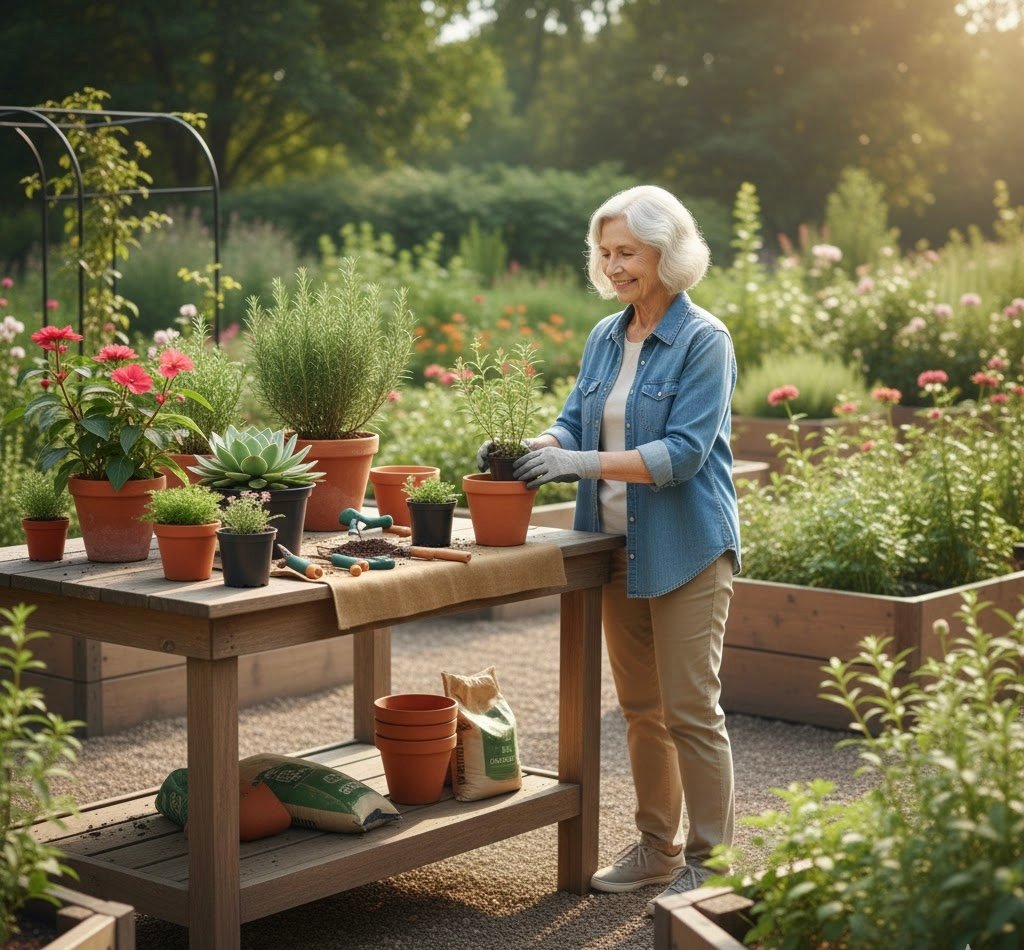
Using tables, benches, potting stations, or raised surfaces allows you to work at a comfortable height. Containers can be placed on stands or shelves so they’re easier to reach and maintain.
Bringing the garden up to you is one of the most helpful adjustments you can make.
10. Gardening for Long, Unbroken Periods
Long gardening sessions can lead to pain and fatigue that lasts for days.
Many people find it better to garden in short, gentle bursts — ten or twenty minutes at a time — with plenty of breaks. Resting, stretching, or simply sitting and enjoying the space is all part of gardening too.
Progress doesn’t have to be fast to be meaningful.
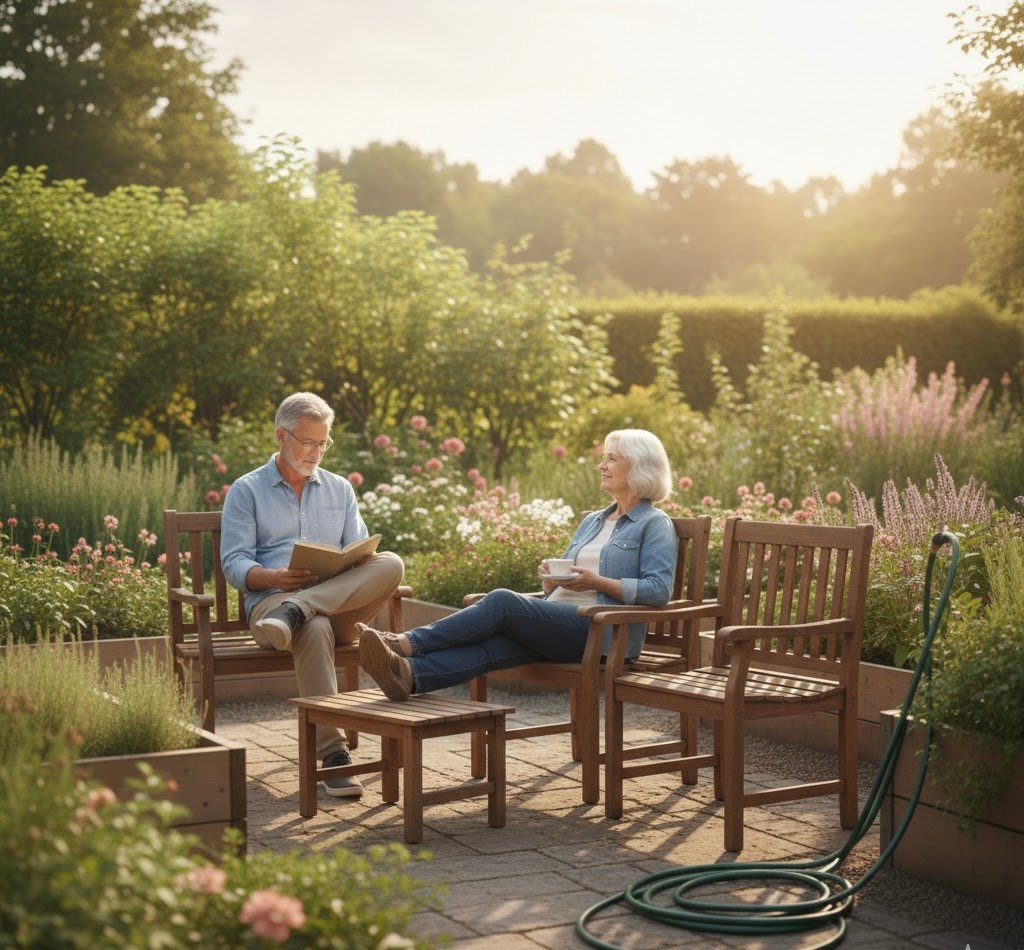
A Gentle Reminder
If your body struggles with traditional gardening methods, the problem isn’t you — it’s the method.
Gardening can be adapted, softened, and reshaped to suit your needs. Whether you tend one pot, one raised bed, or simply enjoy being outdoors, it all counts. Your garden doesn’t expect perfection. It just wants your presence, in whatever way feels possible.
Accessible gardening is real gardening — and you’re doing it exactly right